Kaş Guide: Antiphellos, Kekova, Patara and the Bays
From the theatre and sarcophagi of Antiphellos to the Sunken City of Kekova, and from Kaputaş to the 18-kilometre Patara Beach, here is a well-sourced itinerary and practical guide for exploring Kaş and its surroundings.
See us first in your Antalya searches
Reach our listings and latest guides at the top when you search Google for places, restaurants and events.
Get to know Kaş
Kaş is a small harbour town on the Lycian coast, located to the west of Antalya. The modern settlement is built directly over the ancient city of Antiphellos; Lycian sarcophagi grace its streets, while an ancient theatre stands just outside the town centre. Situated between Kekova and Kaleköy to the east, and Kaputaş, Kalkan and Patara to the west, Kaş lies at the heart of Lycia's most popular coastal stretch. The nearby ancient sites of Xanthos and Letoon have been on the UNESCO World Heritage List since 1988. Boat tours, pristine bays and ancient cities make Kaş an ideal base for a multi-day trip.
Antiphellos (Kaş)
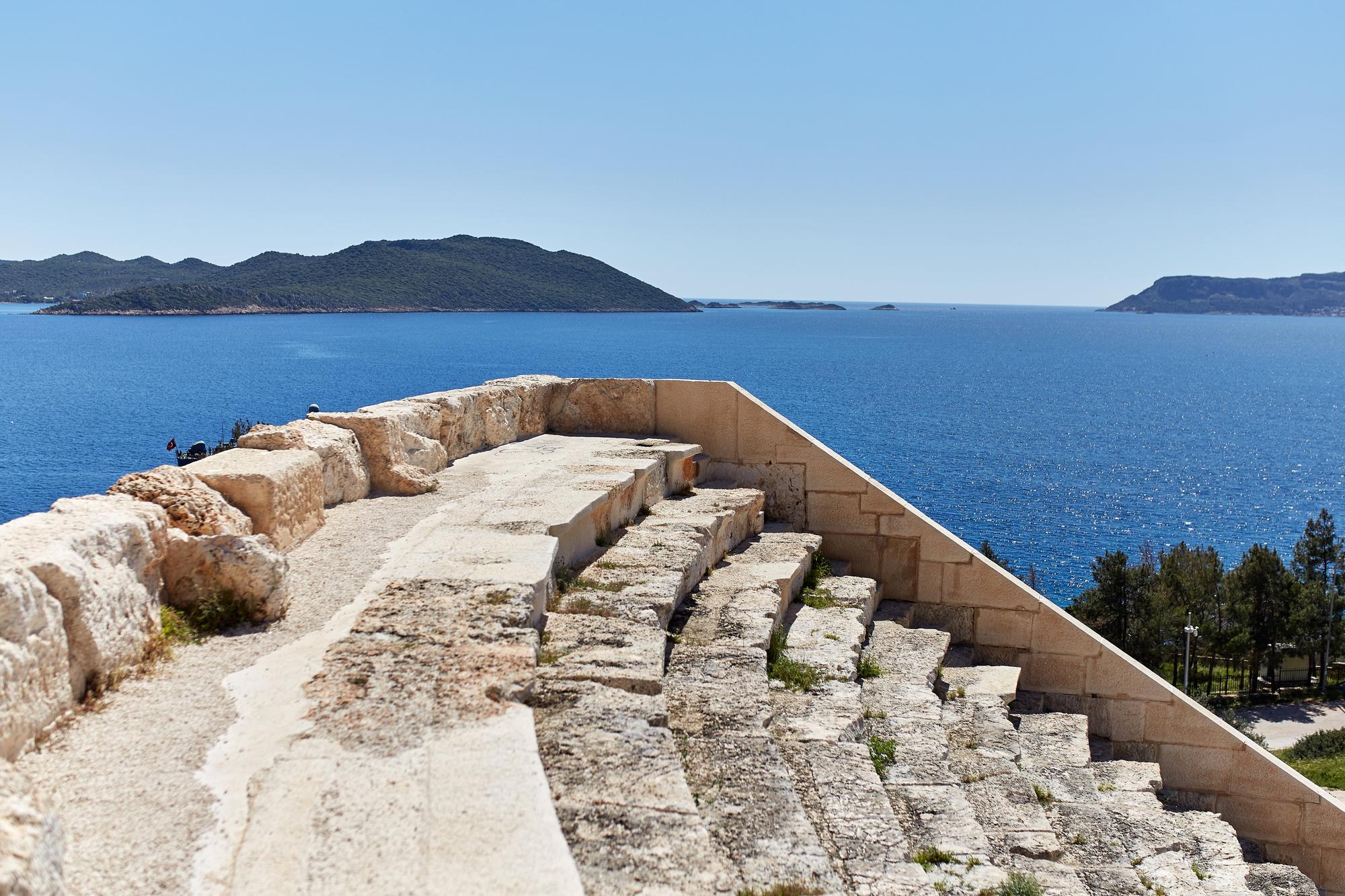
Antiphellos (Kaş) is a port city dating back to the Lycian period. The ancient theatre, located about 500 metres west of the town centre, is well preserved with a capacity of approximately 4,000 spectators according to Lonely Planet. Sources indicate that the theatre had a Hellenistic design and was modified during the Roman era; its stage building has not survived to the present day.
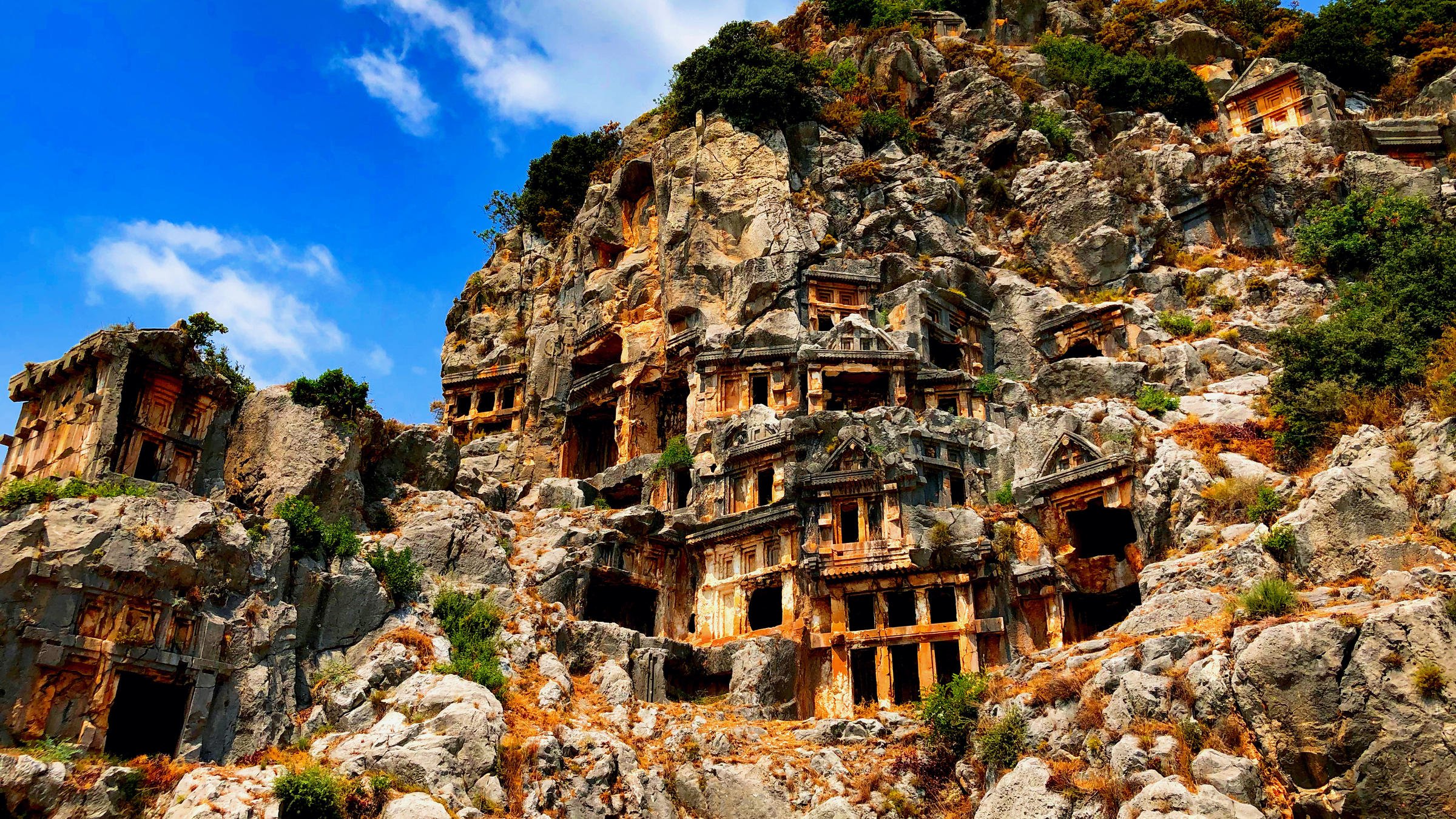
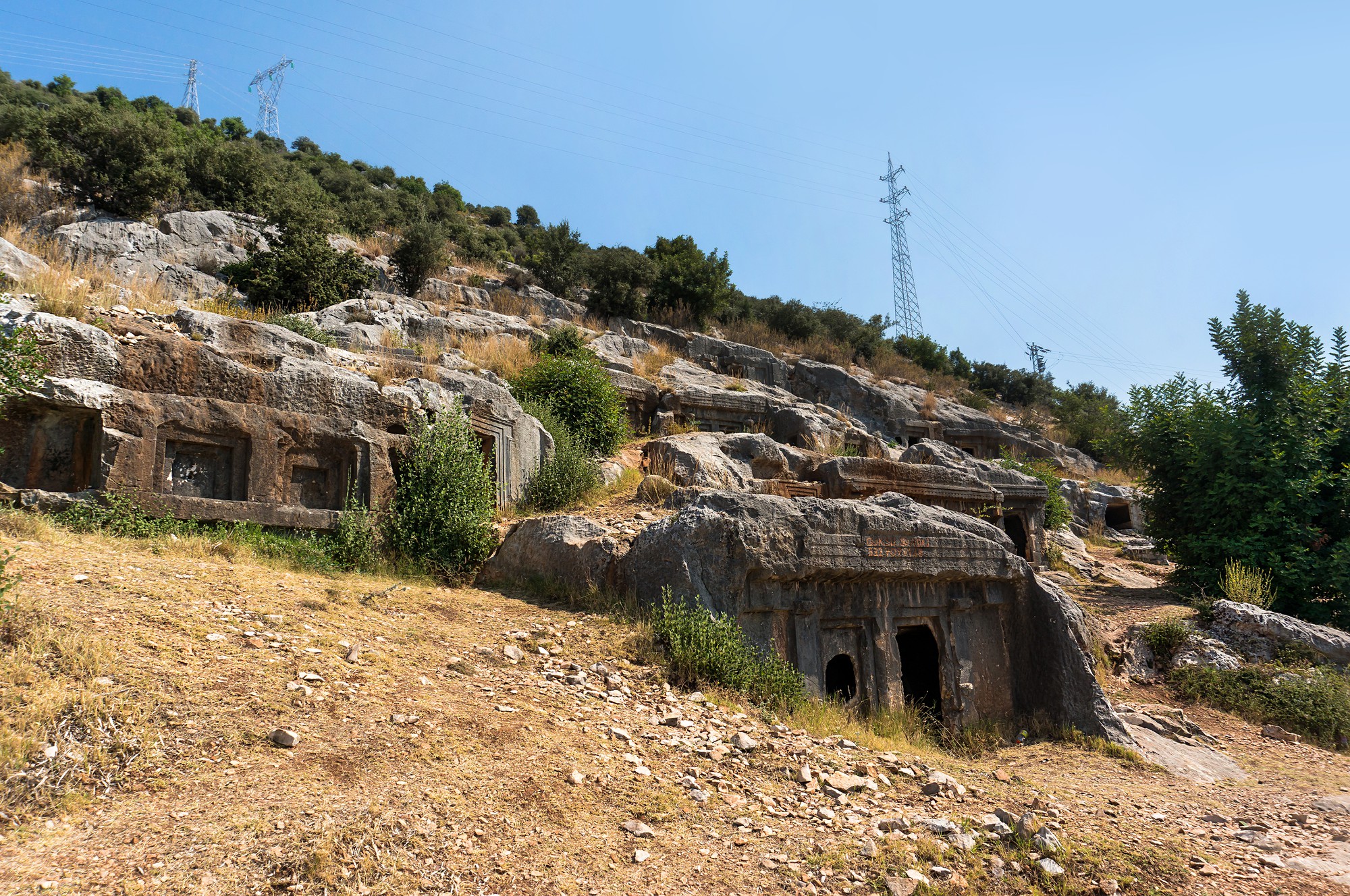
The Lions Tomb in the town is one of the prominent examples of Lycian sarcophagus architecture with its lion-head reliefs and inscriptions. The necropolis contains numerous rock tombs and sarcophagi; the rock tomb northwest of the acropolis stands out with its temple facade.
Kekova and Simena (Kaleköy)
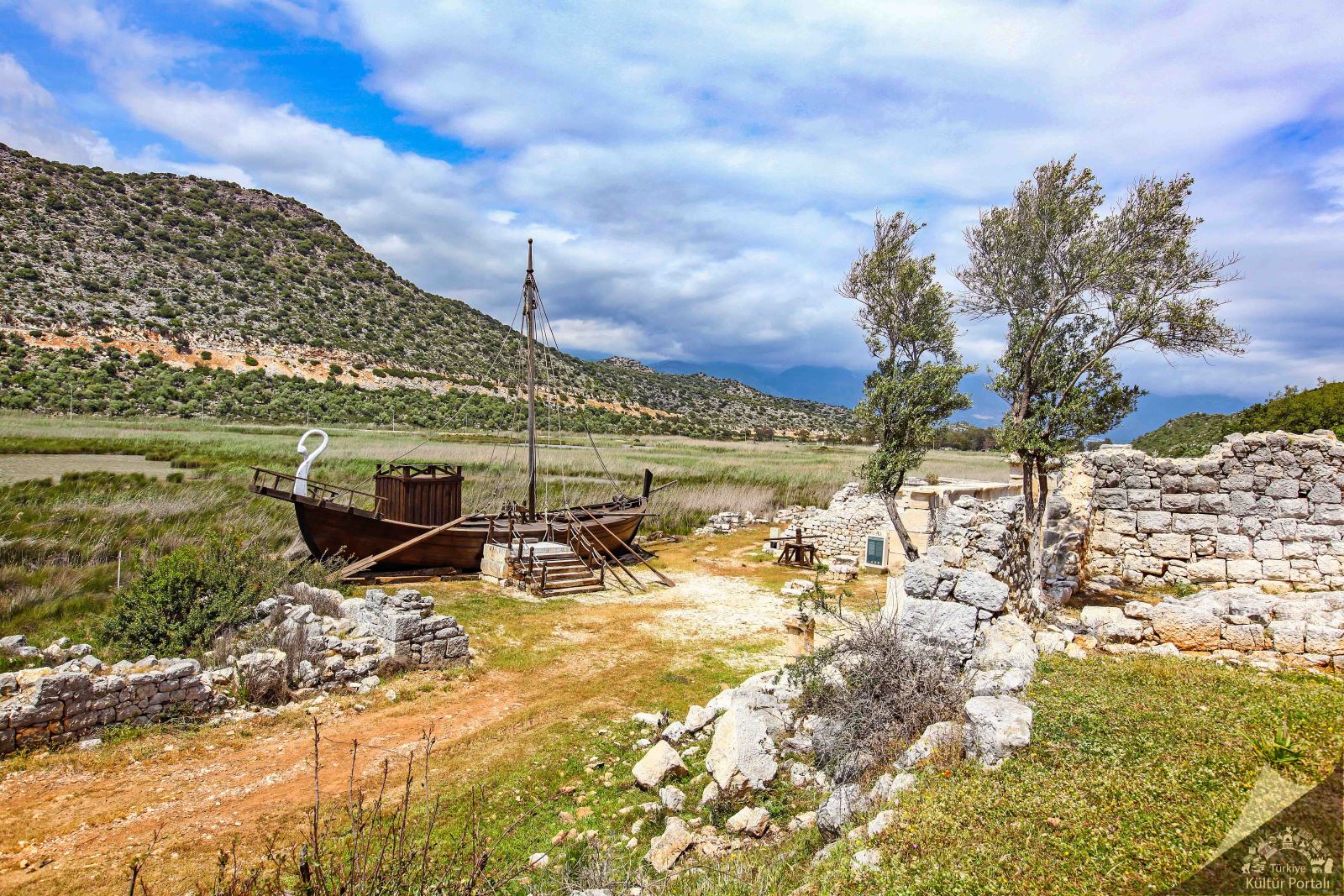
The Kekova Sunken City is a shoreline featuring the ruins of an ancient settlement partially submerged by earthquakes. To protect the ruins, swimming and diving over the area where the sunken city lies are prohibited; boats cruise slowly over the remains. Tours make swimming stops in other surrounding bays.
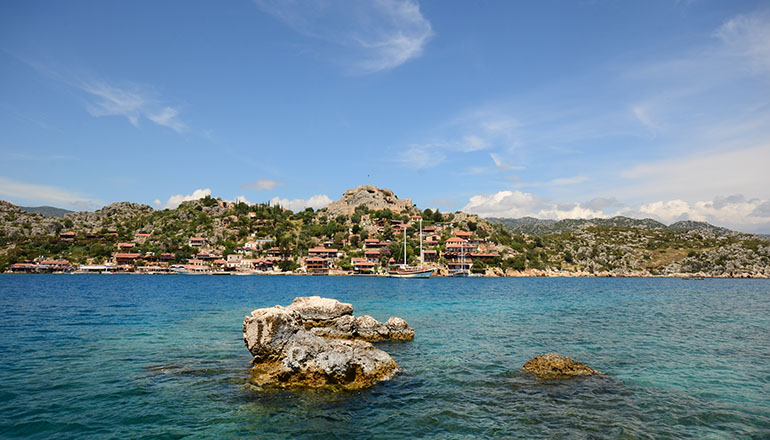
Simena (Kaleköy) is a village built on a hill that can only be reached by sea. When you climb up to the castle in the village, a panoramic view of Kekova and the Sunken City unfolds. Daily boat tours departing from Kaş generally explore Kekova, Kaleköy and the nearby bays together.
Kaputaş and Limanağzı
Kaputaş Beach is located between Kaş and Kalkan on the D400 highway, right where the canyon between two mountains meets the sea. It is about 20 kilometres from Kaş centre and roughly 7 kilometres from Kalkan. The beach is accessed from the highway via a long staircase; sources report the step count between 187 and around 200. It can also be reached by the Kaş-Kalkan minibus line.
Opposite the centre of Kaş, in the Limanağzı bay, there are beach clubs with no road connection that can only be accessed by boat. The bay is preferred for a quieter beach day compared to the town centre.
Patara, Xanthos and Letoon
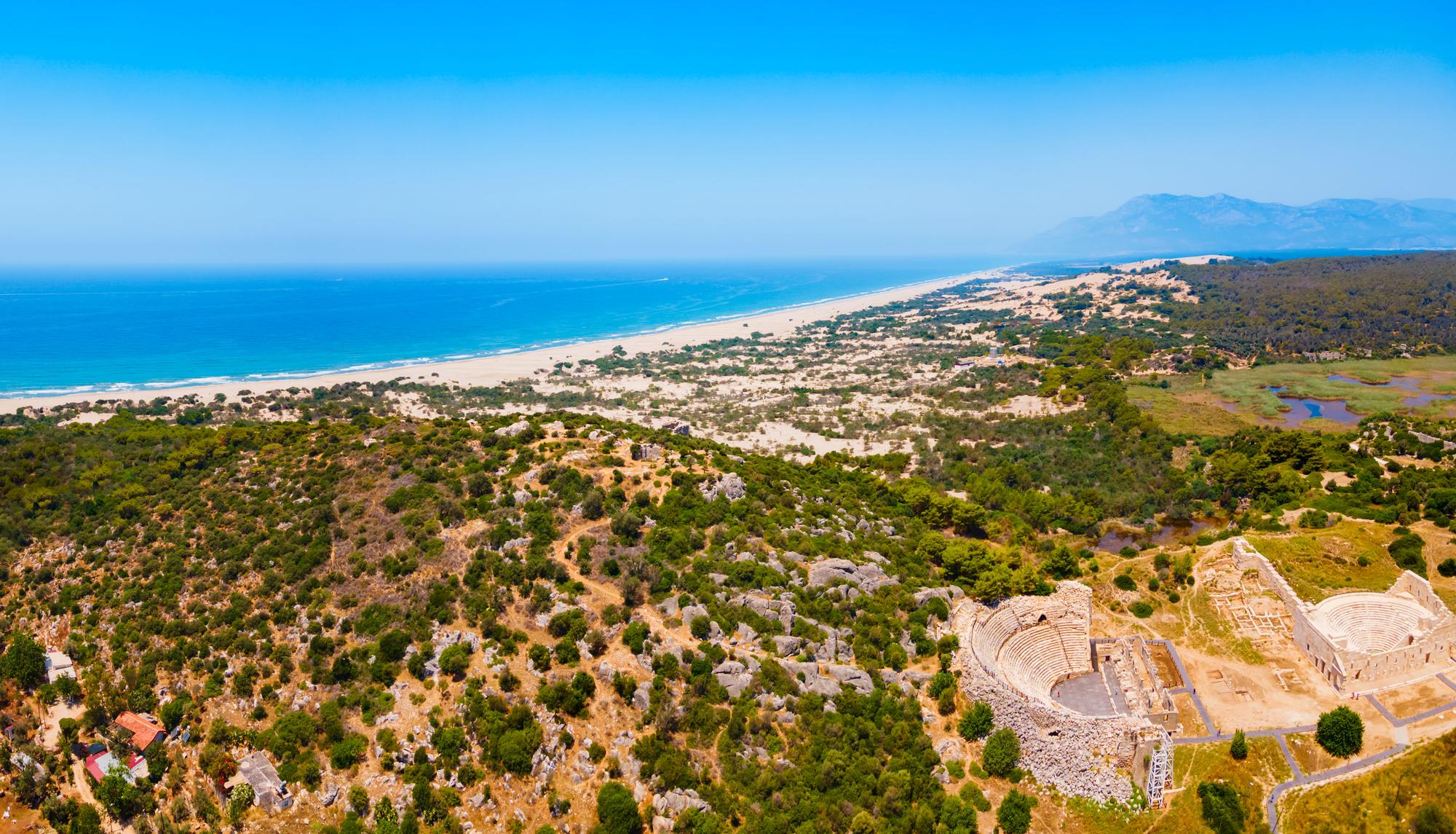
Patara Ancient City is one of the leading cities of the Lycian League. The parliament building where the meetings of the league were held was restored by the Grand National Assembly of Türkiye and is cited as the oldest surviving democratic parliament building.
Next to the city, Patara Beach, stretching for about 18 kilometres, is known as the longest beach in Türkiye. The beach is a vital nesting ground for endangered loggerhead sea turtles (Caretta caretta) and lies within a special environmental protection area; it is closed to visitors at night during the nesting season.
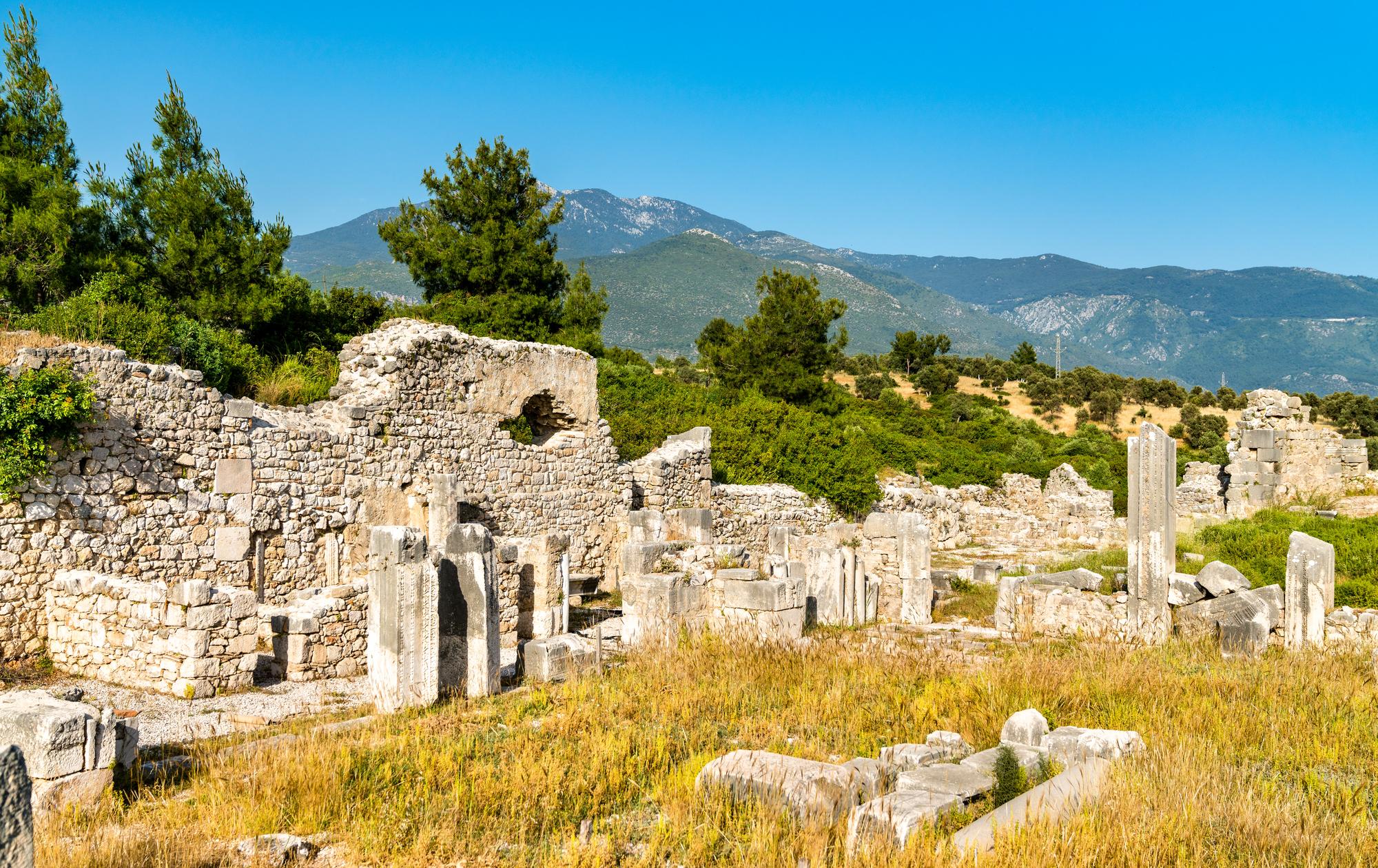
Xanthos Ancient City was the capital of Lycia, while nearby Letoon was the federal sanctuary of the Lycian League. UNESCO inscribed both sites on the World Heritage List in 1988 as places illustrating the fusion of Lycian traditions and Hellenic influences.
Three-day sample itinerary
- Day 1: Antiphellos theatre, Lions Tomb and the town centre; in the late afternoon, a stroll around Kaş Setur Marina
- Day 2: Boat trip from Kaş to the Kekova Sunken City and Simena (Kaleköy), with swimming breaks in the bays on the way back
- Day 3 morning: Kaputaş Beach
- Day 3 afternoon: Xanthos Ancient City and Letoon, followed by Patara Ancient City and Patara Beach
Kaş spots in our guide

Frequently asked questions
No. To protect the ruins, swimming and diving directly over the sunken city area are prohibited; boats cruise slowly over the ruins instead.
Located along the Kaş-Kalkan highway, the beach is reached via a long flight of stairs leading down from the roadside. You can get there by private car or via the Kaş-Kalkan minibus line.
Patara Beach is approximately 18 kilometres long and is known as the longest beach in Türkiye.
Xanthos was the capital of Lycia, while Letoon was the federal sanctuary of the Lycian League. Both sites have been jointly inscribed on the UNESCO World Heritage List since 1988.
Sources
- UNESCO World Heritage Centre: Xanthos-Letoon (484)
- Museums of Türkiye (Ministry of Culture and Tourism): Xanthos-Letoon
- Antalya Provincial Directorate of Culture and Tourism Promotional Portal: Antiphellos
- Küre Ansiklopedi: Antiphellos Ancient City
- Küre Ansiklopedi: Kekova
- Küre Ansiklopedi: Kaputaş Beach
- Küre Ansiklopedi: Patara Beach
- Go Türkiye: Caretta caretta
- Lonely Planet: Antiphellos Theatre
- Turkey's For Life: Limanağzı Bay beaches
Information verified as of 28 October 2026. Times, fares and routes may change; check official sources before you travel.
More guides
 Event guide
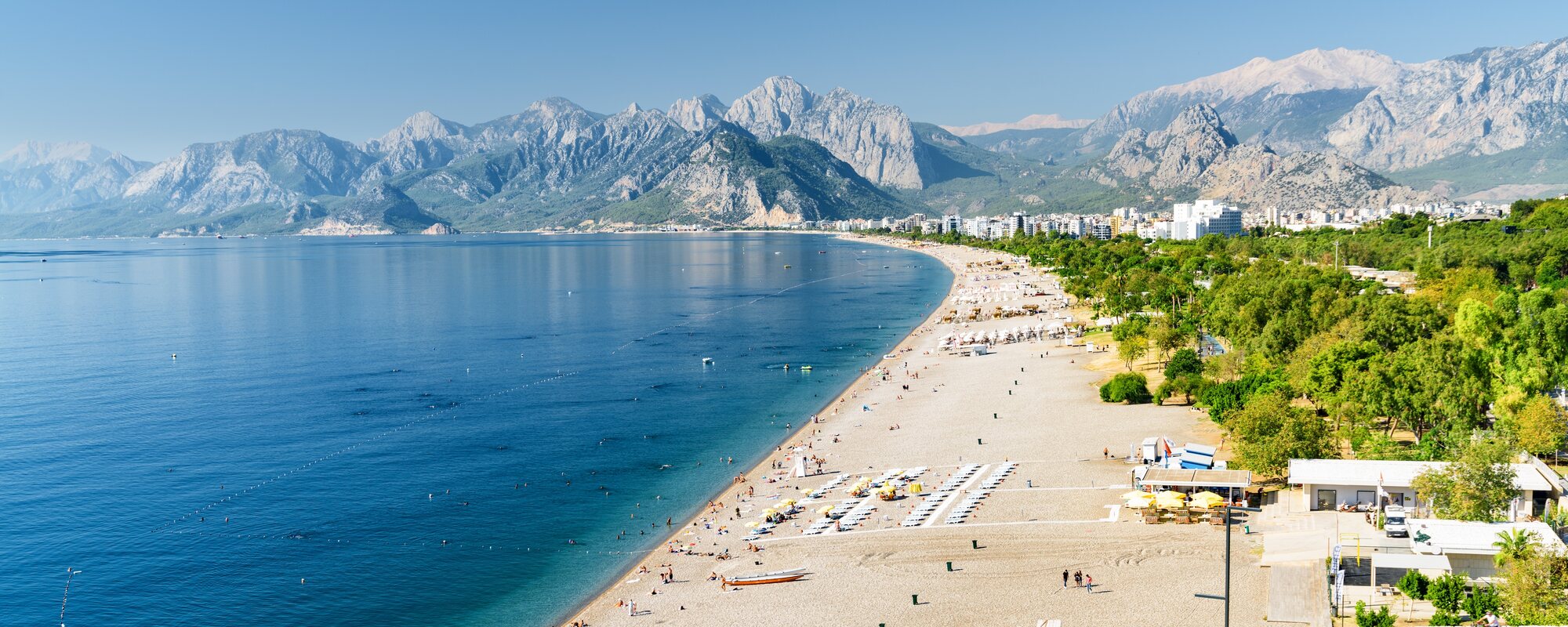
Antalya Culture Route Festival 2026 - Festival Guide
When is Antalya Culture Route Festival 2026, and who will perform at the concerts? We have brought together the free Konyaaltı Beach Park concerts, opera and ballet programme, exhibitions, children's activities, and gastronomy routes between 31 October and 8 November.
 Itinerary
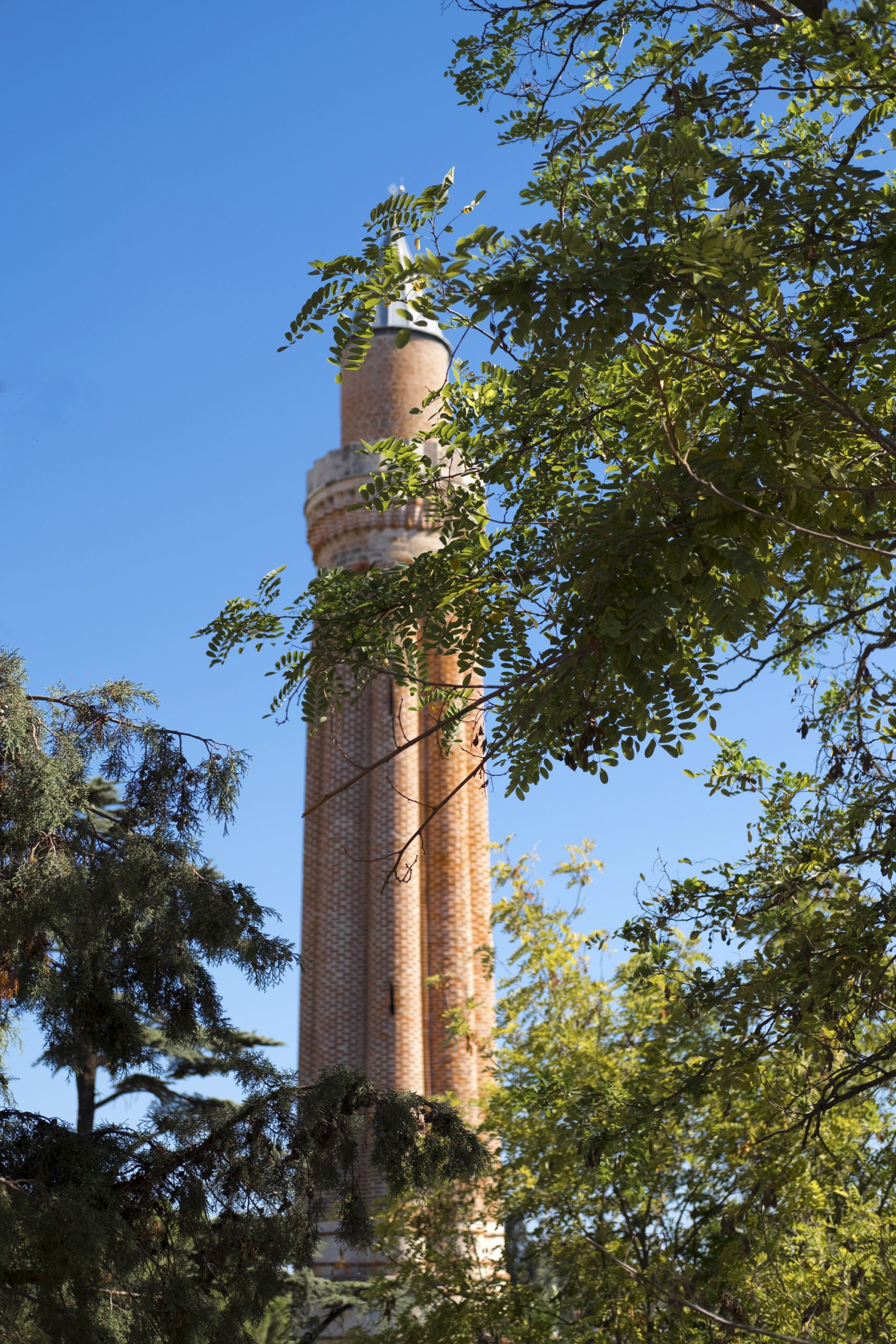
Antalya's Seljuk Heritage: Mosques, Caravanserais, Madrasas
A well-referenced guide to the Seljuk and Beylik-era monuments across Antalya, from Yivli Minare to Alanya Castle, Evdir Han, Kırkgöz Han, and Alarahan Caravanserai to Korkuteli.
 Itinerary
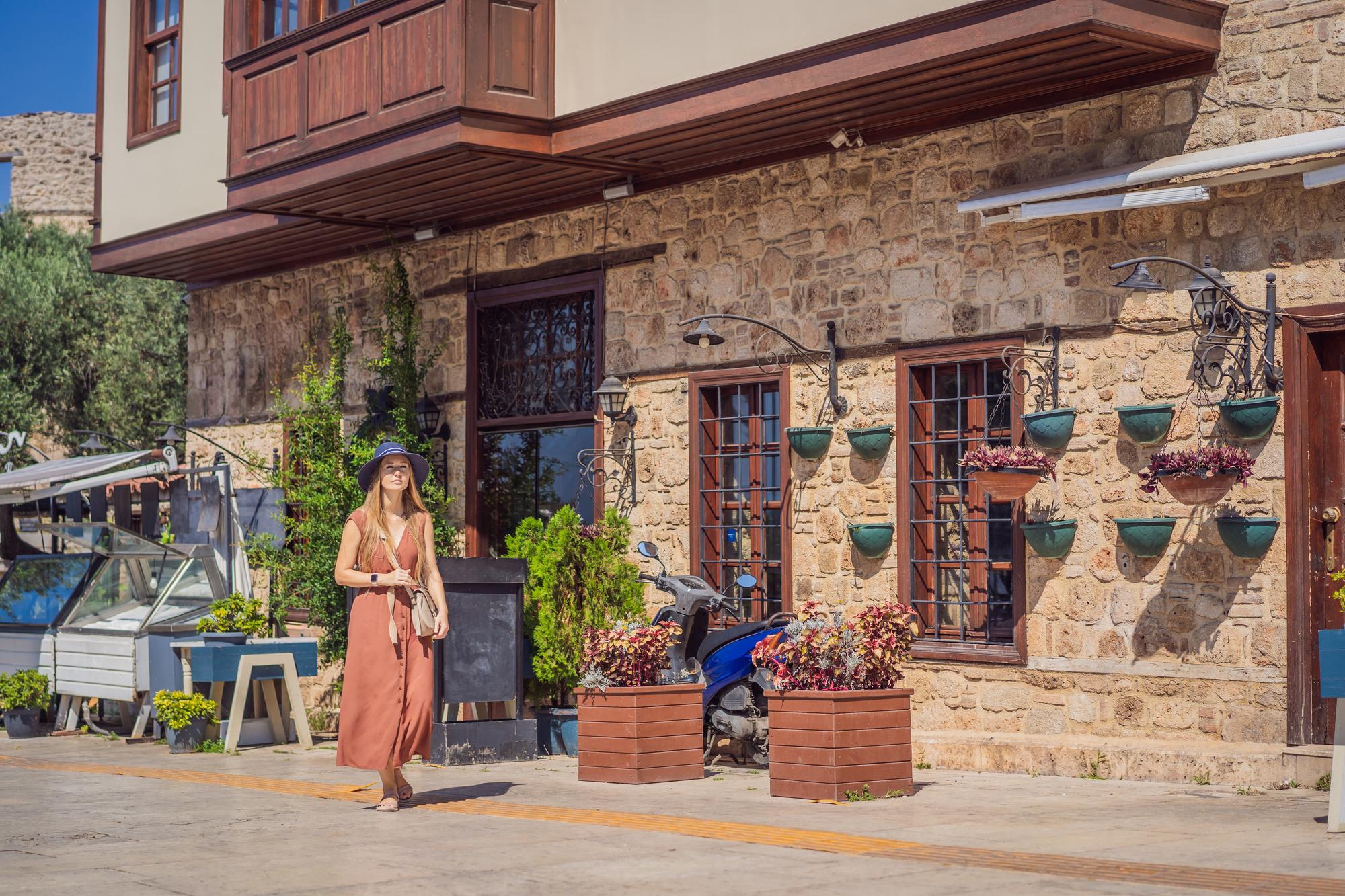
Antalya on a Rainy Day: Indoor Venues and Museums
A sourced guide to museums, the aquarium, museum and science venues in Dokuma Park, caves, and covered bazaars to visit in Antalya on a rainy or chilly day.