Antalya's Seljuk Heritage: Mosques, Caravanserais, Madrasas
A well-referenced guide to the Seljuk and Beylik-era monuments across Antalya, from Yivli Minare to Alanya Castle, Evdir Han, Kırkgöz Han, and Alarahan Caravanserai to Korkuteli.
See us first in your Antalya searches
Reach our listings and latest guides at the top when you search Google for places, restaurants and events.
The Seljuks and Antalya
Antalya was the Anatolian Seljuks' gateway to the Mediterranean. Today's Alanya, known as Alaiye during the Seljuk era, came under Seljuk rule during the reign of Sultan Alaaddin Keykubad I. The Seljuks lined the roads connecting this coast to Konya with caravanserais, bridges, and fortresses; in the city itself, they built mosques, madrasahs, and minarets. This guide lists the surviving structures from this era—also covered individually on our site—starting from the city center. The dating and patron of certain monuments vary across sources; in such cases, both perspectives are noted. The publication on caravanserais and madrasahs prepared by the Antalya Metropolitan Municipality is a great starting point for those who want a comprehensive overview of the subject.
City Center: Around Yivli Minare
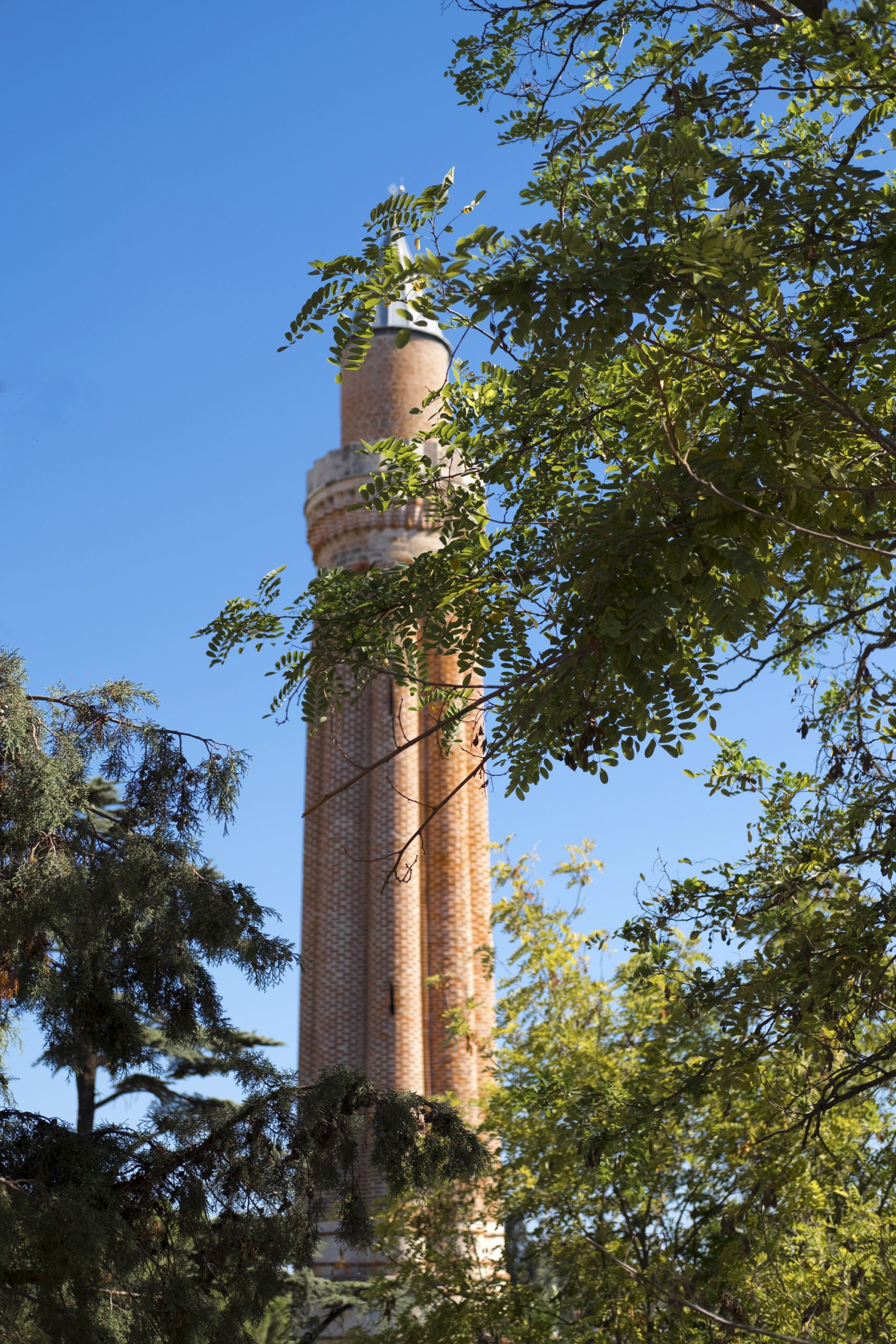
Yivli Minare, standing at the northern edge of Kaleiçi, is the symbol of the city. According to the UNESCO World Heritage Tentative List record, the minaret was commissioned by Sultan Alaaddin Keykubad I, and the mosque was constructed in 1230 utilizing the walls of a ruined church. The complex is currently on the Tentative List.
In the same complex, only the monumental portal of the Atabey Armağan Madrasah still stands; according to Küre Encyclopedia, the date on the portal corresponds to 637 AH (1239 AD), and the structure was commissioned by Atabey Armağan during the reign of Gıyaseddin Keyhüsrev II. From the nearby Karatay Madrasah, only the monumental portal and several walls remain; the madrasah, built by vizier Celaleddin Karatay, is dated to 1250 in one source and to 1251 in another.
Caravan Route Inns
Evdir Han
A Seljuk caravanserai in Döşemealtı, near Yeşilbayır. A history portal attributes the inn to the reign of Izz al-Din Kaykaus I (1210–1219); since this dating cannot be corroborated by other sources, it should not be considered definitive.
Kırkgöz Han
Also located in Döşemealtı, northwest of the city center, this inn is dated in sources to the reign of Gıyaseddin Keyhüsrev II (1236/1237–1246). According to sources, it lies about 30 kilometers northwest of the city center. Kırkgöz Lake in the same district is a separate natural site; be careful not to confuse the two.
Alarahan Caravanserai
Located between Alanya and Manavgat along the banks of the Alara Çayı, this inn was built in 1231–1232 by Sultan Alaaddin Keykubad, according to the inscription above its northeastern portal. Alara Castle, located approximately 800 meters from the inn, surrendered in 1231 following Alanya's capture by the Seljuks, according to Wikipedia. Alarahan features a distinctive layout with rooms arranged around a long, narrow courtyard surrounded by stables; sources classify this concentric plan alongside the Eshab-ı Kehf and Mama Hatun inns. The inn was also used as a madrasah during the Ottoman era.
Alanya: Seljuk Coastal City
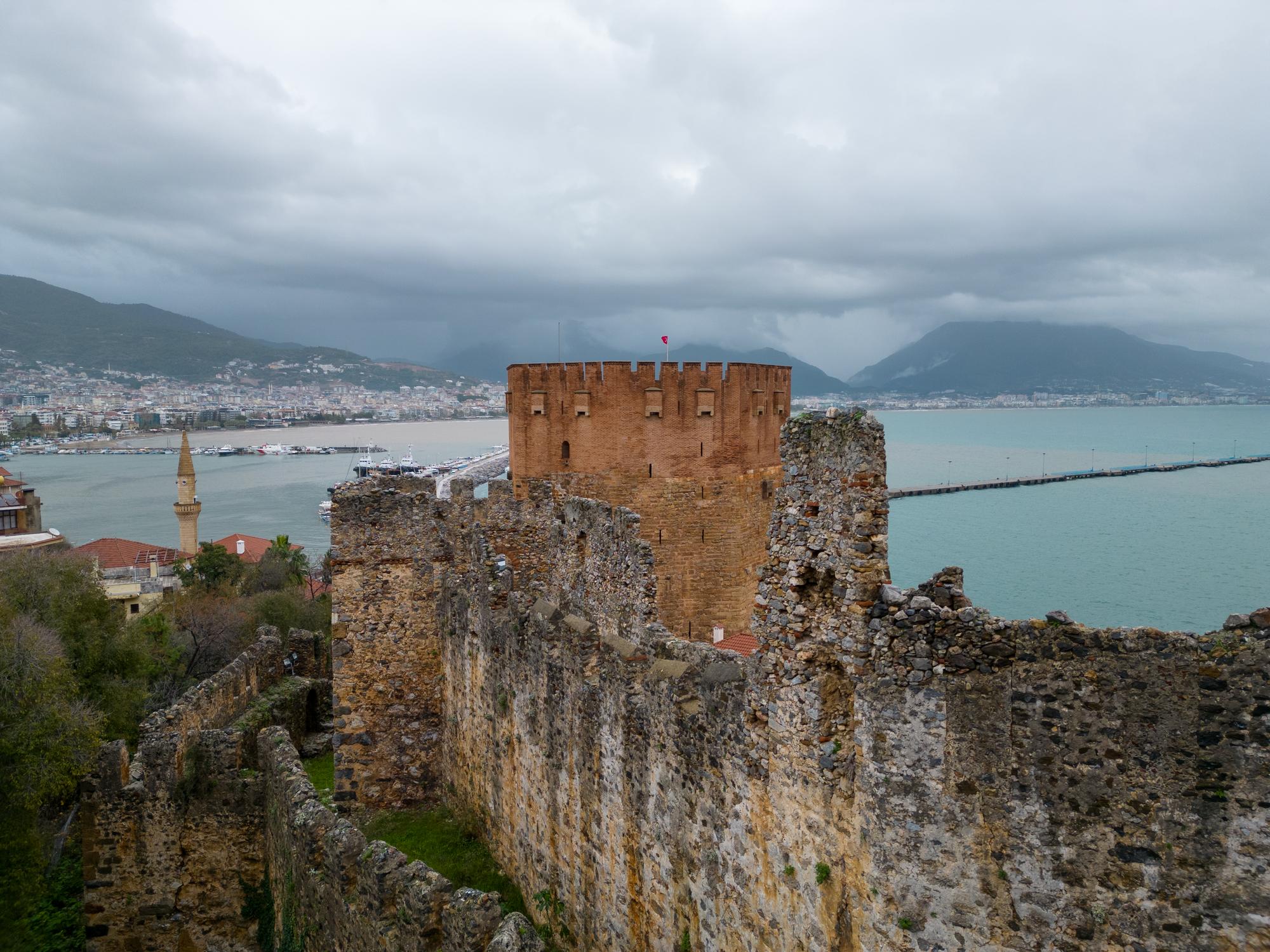
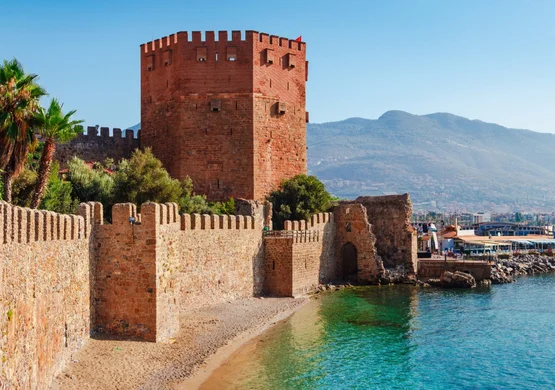
In Alanya, Alanya Castle perched on the peninsula, the octagonal Kızıl Kule (Red Tower) guarding the harbor, and the Alanya Shipyard and Tophane at the foot of the fortress are the primary monuments of this era. A record in the Boğaziçi University archives dates both the Shipyard and Kızıl Kule to 1226, while an encyclopedia entry places the shipyard in 1228. For details, you can consult the Alanya Guide on our site.
Bridges in the Taurus Mountains and Korkuteli
Spanning the Alara Çayı in Gündoğmuş, Ali Bridge is one of only two surviving Seljuk bridges out of the four originally built in the region, according to the Provincial Directorate of Culture and Tourism, and its construction is attributed to Alaaddin Keykubad.
Meanwhile, the Korkuteli Sultan Alaaddin Mosque and Madrasah in Korkuteli belongs to the Beyliks period that followed the Seljuks. There are two perspectives regarding the founder of the mosque: while the Provincial Directorate of Culture and Tourism links the building to the reign of Alaaddin Bey of the Karamanids, some academic sources associate it with the Hamidids. According to the inscription on the adjacent madrasah, it was commissioned in 719 AH (1319 AD) by Sinaneddin Çalış bin İlyas. The mosque was reopened for worship following restoration by the General Directorate of Foundations.
Two-Day Seljuk Itinerary
- Day 1 morning: Yivli Minare, and the monumental portals of the Atabey Armağan and Karatay madrasahs
- Day 1 afternoon: Evdir Han and Kırkgöz Han in Döşemealtı
- Day 2 morning: Alarahan Caravanserai and Alara Castle
- Day 2 afternoon: Alanya Castle, Red Tower and Shipyard
Antalya spots in our guide
Frequently asked questions
The Yivli Minare at the entrance of Kaleiçi is the symbol of the city; according to the record on the UNESCO Tentative List, it was built during the reign of Alaaddin Keykubad.
Yes. There are Evdir Han and Kırkgöz Han in Döşemealtı, and Alarahan Caravanserai between Alanya and Manavgat.
The structure dates back to the Anatolian Beyliks period; depending on the source, it is attributed to either the Karamanids or the Hamidids.
Sources
- Antalya Metropolitan Municipality: Caravanserais and Madrasas of Antalya
- UNESCO World Heritage Tentative List: Yivli Minare Complex
- Antalya Provincial Directorate of Culture and Tourism Promotional Portal: Yivli Minare Mosque
- Küre Encyclopedia: Yivli Minare Complex
- PATA Go Türkiye: Kaleiçi
- Antalya Provincial Directorate of Culture and Tourism Promotional Portal: Evdir Han
- Ancient History Sites: Evdir Han
- Antalya Provincial Directorate of Culture and Tourism Promotional Portal: Historical Kırkgöz Han
- Antalya Provincial Directorate of Culture and Tourism Promotional Portal: Alara Han and Castle
- Wikipedia: Alara Castle
- Boğaziçi University Digital Archives: Shipyard and Red Tower, 1226
- Antalya Provincial Directorate of Culture and Tourism Promotional Portal: Sultan Alaaddin Mosque (Korkuteli)
- Antalya Provincial Directorate of Culture and Tourism Promotional Portal: Ali Bridge
- Ancient History Sites: Alara Han
- TRT Haber: Taç kapısıyla ünlü 700 yıllık Alaaddin Camii ibadete hazır
Information verified as of 29 October 2026. Times, fares and routes may change; check official sources before you travel.
More guides
 Event guide
Antalya Culture Route Festival 2026 - Festival Guide
When is Antalya Culture Route Festival 2026, and who will perform at the concerts? We have brought together the free Konyaaltı Beach Park concerts, opera and ballet programme, exhibitions, children's activities, and gastronomy routes between 31 October and 8 November.
 Itinerary
Antalya on a Rainy Day: Indoor Venues and Museums
A sourced guide to museums, the aquarium, museum and science venues in Dokuma Park, caves, and covered bazaars to visit in Antalya on a rainy or chilly day.
 Itinerary
Free Places to Visit in Antalya
A practical guide based on official sources covering admission-free museums, municipal public beaches, city parks, and historical monuments visible from the streets in Antalya.