Gazipaşa Guide: Selinus, Antiocheia ad Cragum and Quiet Coves
A well-sourced travel guide to Gazipaşa, featuring Selinus—the city where Emperor Trajan died—mosaic-rich Antiocheia ad Cragum, turtle nesting beaches and lush banana groves.
See us first in your Antalya searches
Reach our listings and latest guides at the top when you search Google for places, restaurants and events.
Get to Know Gazipaşa
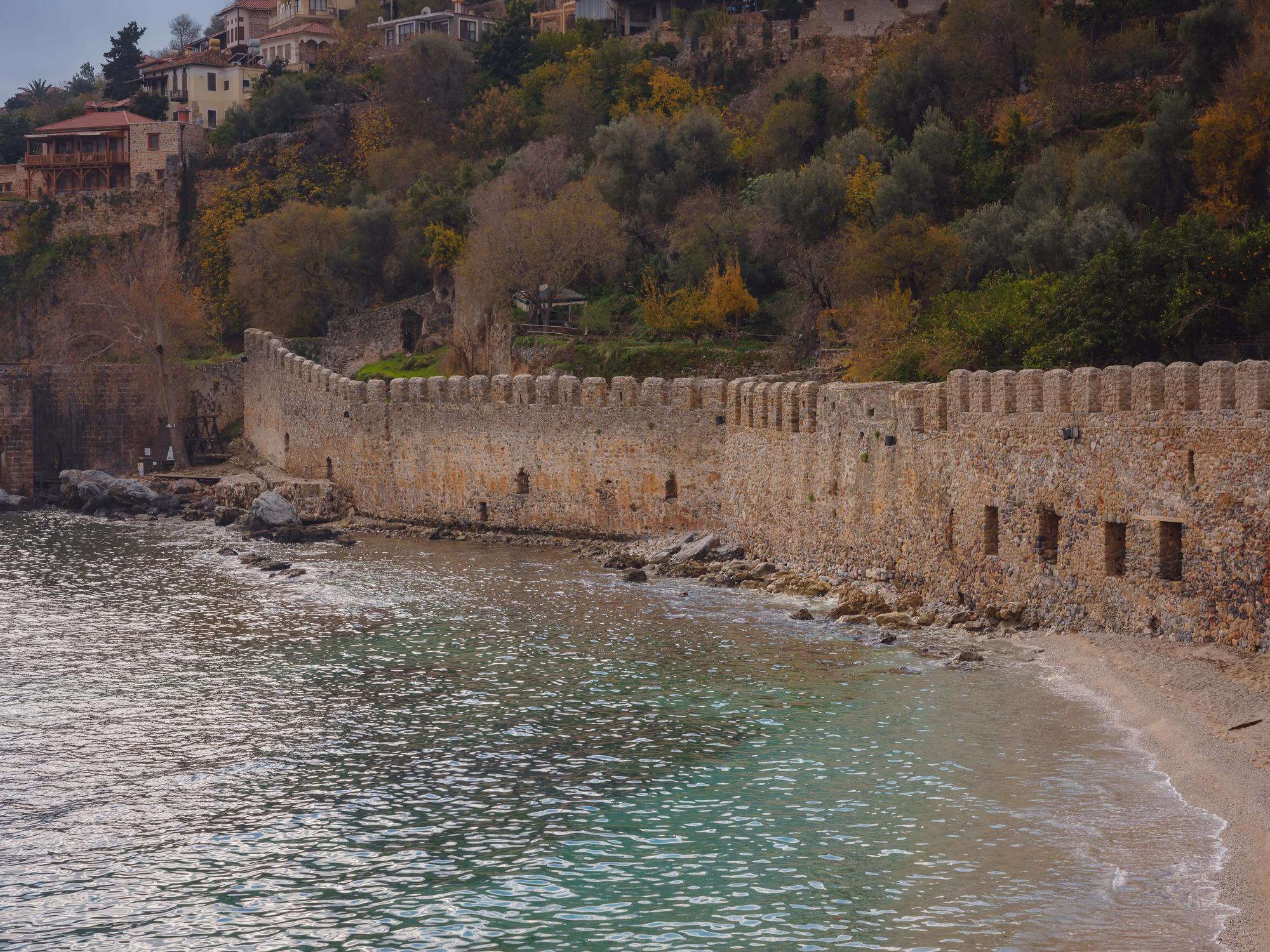
Gazipaşa is a coastal district located at the easternmost point of Antalya, nestled between Alanya and the Mersin border. Where the Taurus Mountains plunge down to the sea, this stretch of coastline is lined with banana orchards, greenhouses and quiet coves. Situated at the western edge of the region known in antiquity as Cilicia Trachea (Rough Cilicia), the district is home to significant Roman port cities like Selinus and Antiocheia ad Cragum. Much quieter than Alanya, Gazipaşa is an ideal destination for those seeking a peaceful day away from crowds, hoping to explore ancient ruins and discover pristine beaches where sea turtles nest. For details on Alanya's town center, fortress and caves, explore our Alanya Guide.
Ancient City of Selinus
Selinus is an ancient port city situated along the shoreline right next to modern-day downtown Gazipaşa. The city went down in history as the place where Roman Emperor Trajan died in 117 AD while returning to Italy from his campaign in the East. According to the ancient historian Cassius Dio, the city was renamed Traianopolis for a period following the emperor's death.
- Şekerhane Köşkü: This is the best-preserved structure on the site. Its colloquial name stems from its repurposing as a hunting lodge during the Seljuk era. In academic studies, the building is interpreted either as a cenotaph erected in memory of Trajan or as a temple dedicated to the deified Trajan; however, this interpretation is not definitively proven.
- Acropolis: Perched atop the coastal hill, it features archaeological remains alongside sweeping panoramic views over the sandy beach and the coastal plain.
Antiocheia ad Cragum
Antiocheia ad Cragum, featured on our site under the name Antiochia ad Cragum, is a Roman and Byzantine city established on a steep slope overlooking the sea within the borders of Güney Mahallesi, about 18 kilometres from central Gazipaşa. Covering an area of approximately 30 hectares, excavations began in 2005 under the leadership of the Alanya Museum and the direction of Prof. Dr. Michael Hoff from the University of Nebraska, continuing in subsequent years as the Antiochia ad Cragum Archaeological Research Project.
The city's most striking discovery is an expansive mosaic floor adjacent to a bath complex. The University of Nebraska notes that only two comparable examples of this mosaic arrangement with human figures exist in Italy. The excavations have also unearthed pottery shards stamped with "ANT". Check with local authorities before your visit to confirm which sections of the site are open to the public and to verify access during excavation periods.
Beaches and Sea Turtles
The beaches of Koru, Selinus, and Kahyalar in Gazipaşa serve as nesting grounds for sea turtles (Caretta caretta). Each season, nests are marked and monitored by district officials and volunteers; foreign residents living in the district have also been reported actively serving as volunteer guardians.
During nesting season, entering the beaches at night, lighting fires, having barbecues, and pitching tents are strictly prohibited. Do not approach the protective nest cages, and avoid shining lights onto the beach.
Banana Plantations and Quiet Coves
Bananas have been grown in Gazipaşa since the 1950s. Cultivated across nearly 14,000 decares in the neighbourhoods of Muzkent, Zeytinada, Beyrebucak, Güney, Yakacık, Macar, and Koru, bananas harvested on the steep slopes overlooking the sea are transported using cable-lift systems. In recent years, avocado and mango cultivation has expanded alongside bananas, earning the district the moniker "Türkiye's tropical fruit garden." To the east of the coastal road, where the mountains plunge straight into the sea, a string of small pebble coves awaits. Most of these coves have no facilities; be sure to bring shade, water, and food, and leave no trash behind in natural areas.
Sample One-Day Itinerary
- Morning: Selinus Ancient City, Şekerhane Köşkü, and the acropolis
- Noon: Break on Selinus beach
- Afternoon: Antiocheia ad Cragum in Güney Mahallesi
- Return: A swim in one of the quiet coves along the coastal road
Alanya Highlights in Our Guide
Frequently Asked Questions
Ancient sources state that the emperor died in Selinus in 117 AD. However, whether Şekerhane Köşkü was built in his memory remains an interpretation and is a subject of debate.
The mosaic is located within the excavation site. Please check with local authorities regarding access and visiting conditions before you go.
The Alanya Guide covers the town centre of Alanya and its immediate surroundings; Gazipaşa is featured separately in this guide.
The banana is the symbol of the district and has been grown here since the 1950s. In recent years, the cultivation of tropical fruits such as avocados and mangoes has also become widespread.
Excavations have been conducted since 2005 under the direction of Prof. Dr. Michael Hoff from the University of Nebraska, under the name Antiochia ad Cragum Archaeological Research Project.
Sources
- Antalya İl Kültür ve Turizm Müdürlüğü promotional site: Antiocheia ad Cragum
- Alanya Alaaddin Keykubat Üniversitesi: Gazipaşa Güneyköy excavation works 2023
- University of Nebraska–Lincoln: Nebraska team discovers Roman mosaic in Turkey
- Hoff, M.: The Şekerhane Köşkü at Selinus, Cilicia
- Turkish Archaeological News: Selinus
- DHA: Resident expats become volunteer protectors of sea turtles
- Wikipedia: Gazipaşa
- DHA: Banana production expanded to 12 months with the transition to greenhouse cultivation
Information verified as of 28 October 2026. Times, fares and routes may change; check official sources before you travel.
More guides
 Event guide
Antalya Culture Route Festival 2026 - Festival Guide
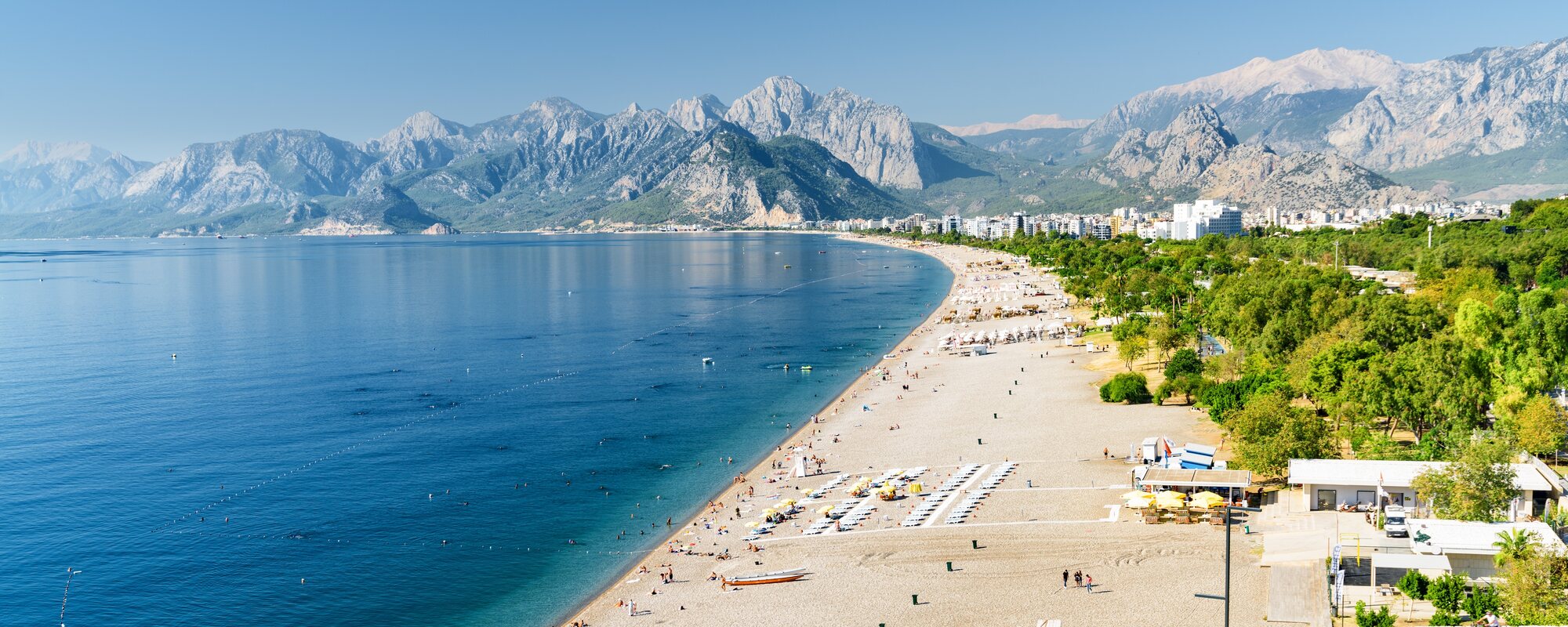
When is Antalya Culture Route Festival 2026, and who will perform at the concerts? We have brought together the free Konyaaltı Beach Park concerts, opera and ballet programme, exhibitions, children's activities, and gastronomy routes between 31 October and 8 November.
 Itinerary
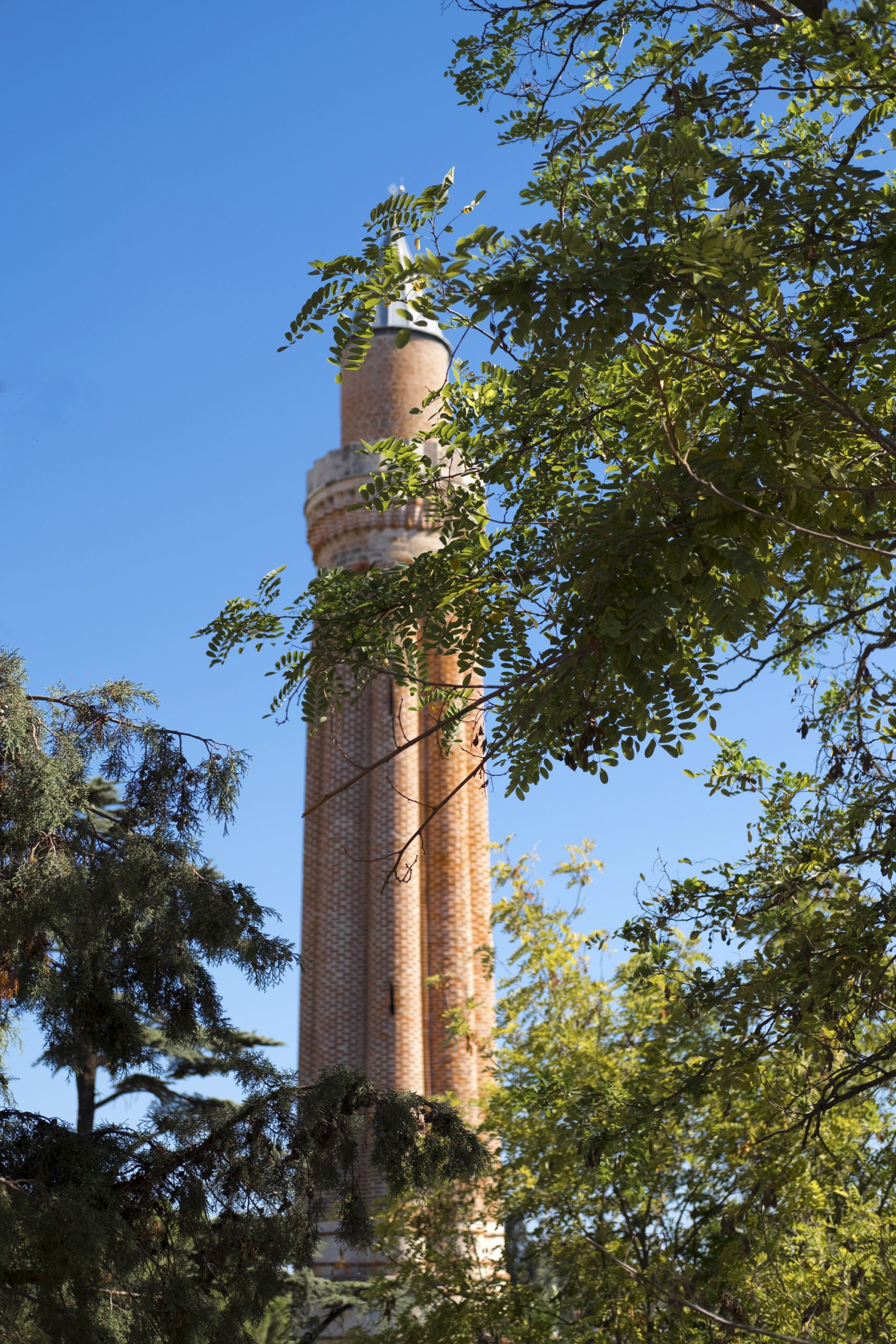
Antalya's Seljuk Heritage: Mosques, Caravanserais, Madrasas
A well-referenced guide to the Seljuk and Beylik-era monuments across Antalya, from Yivli Minare to Alanya Castle, Evdir Han, Kırkgöz Han, and Alarahan Caravanserai to Korkuteli.
 Itinerary
Antalya on a Rainy Day: Indoor Venues and Museums
A sourced guide to museums, the aquarium, museum and science venues in Dokuma Park, caves, and covered bazaars to visit in Antalya on a rainy or chilly day.