Döşemealtı Guide: Karain Cave, the Termessos Route, and Döşemealtı Carpets
A well-referenced itinerary for Antalya's northern gateway, featuring Karain Cave with half a million years of history, the Seljuk-era Kırkgöz Han, the mountain road ascending to Termessos, and geographically indicated Döşemealtı carpets.
See us first in your Antalya searches
Reach our listings and latest guides at the top when you search Google for places, restaurants and events.
Get to Know Döşemealtı
Döşemealtı is a district located just north of the city of Antalya, where the coastal plain ascends toward the foothills of the Taurus Mountains. The historical name of the district is Kırkgöz, which originates from the numerous natural springs in the area. The historic road leading from Antalya to Burdur and Isparta passes through here; the Seljuk-era Kırkgöz Han still bears witness to this ancient route. Situated approximately 30 kilometers from the city center, Döşemealtı is ideal for a half- or full-day excursion, offering the prehistoric strata of Karain Cave, the scenic mountain road up to Termessos, and hand-woven carpets rooted in the Yörük tradition.
Karain Cave
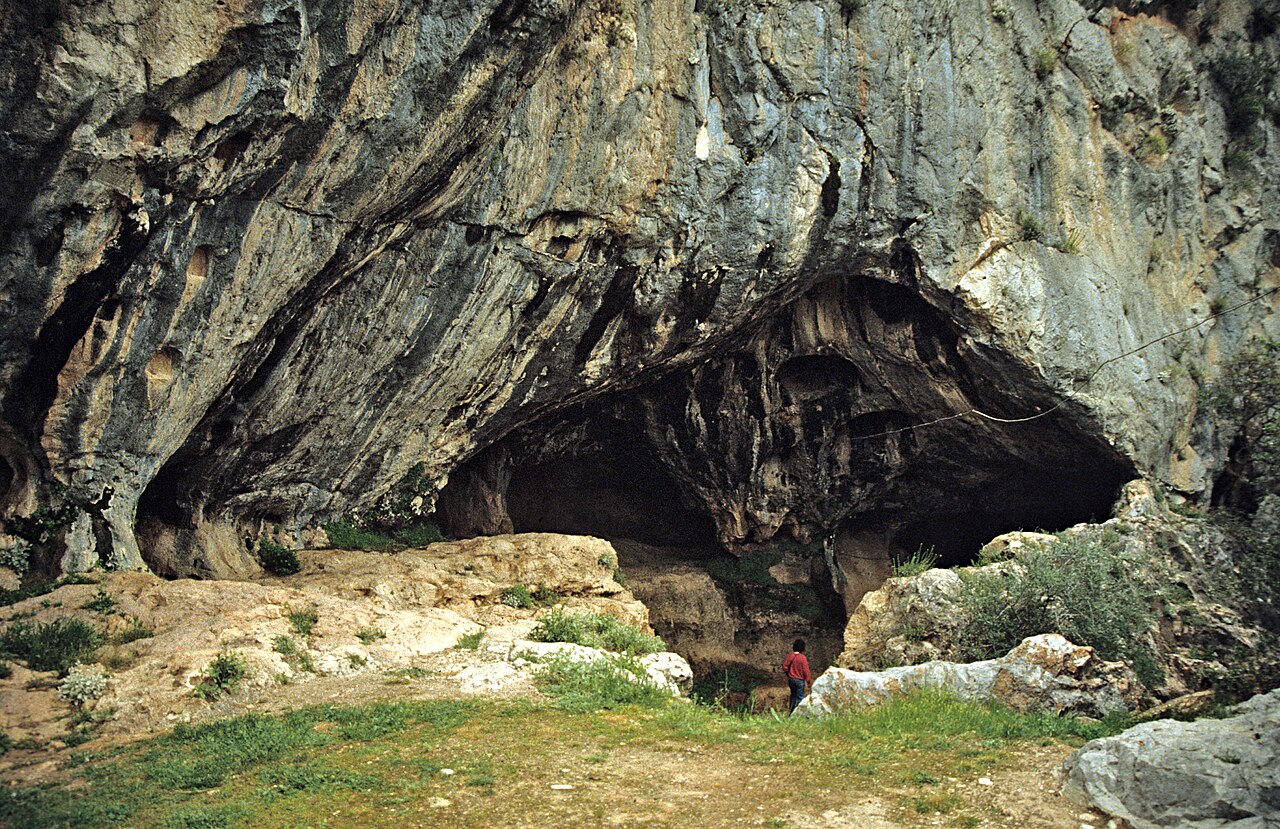
Located in the Yağca neighborhood of Döşemealtı, Karain Cave is one of the largest natural caves in Türkiye and was discovered in 1946 by Prof. Dr. Kılıç Kökten. Excavations have unearthed traces of human presence dating back approximately 500,000 years, with a cultural layer 11 meters deep accumulating over millennia. According to the Ministry of Culture and Tourism, the evidence of continuous habitation from the Lower Paleolithic to the late Roman period fills an important gap in Anatolian archaeology.
- Finds: Remains of animals no longer found in Anatolia today, including rhinoceroses, elephants, and hippopotamuses.
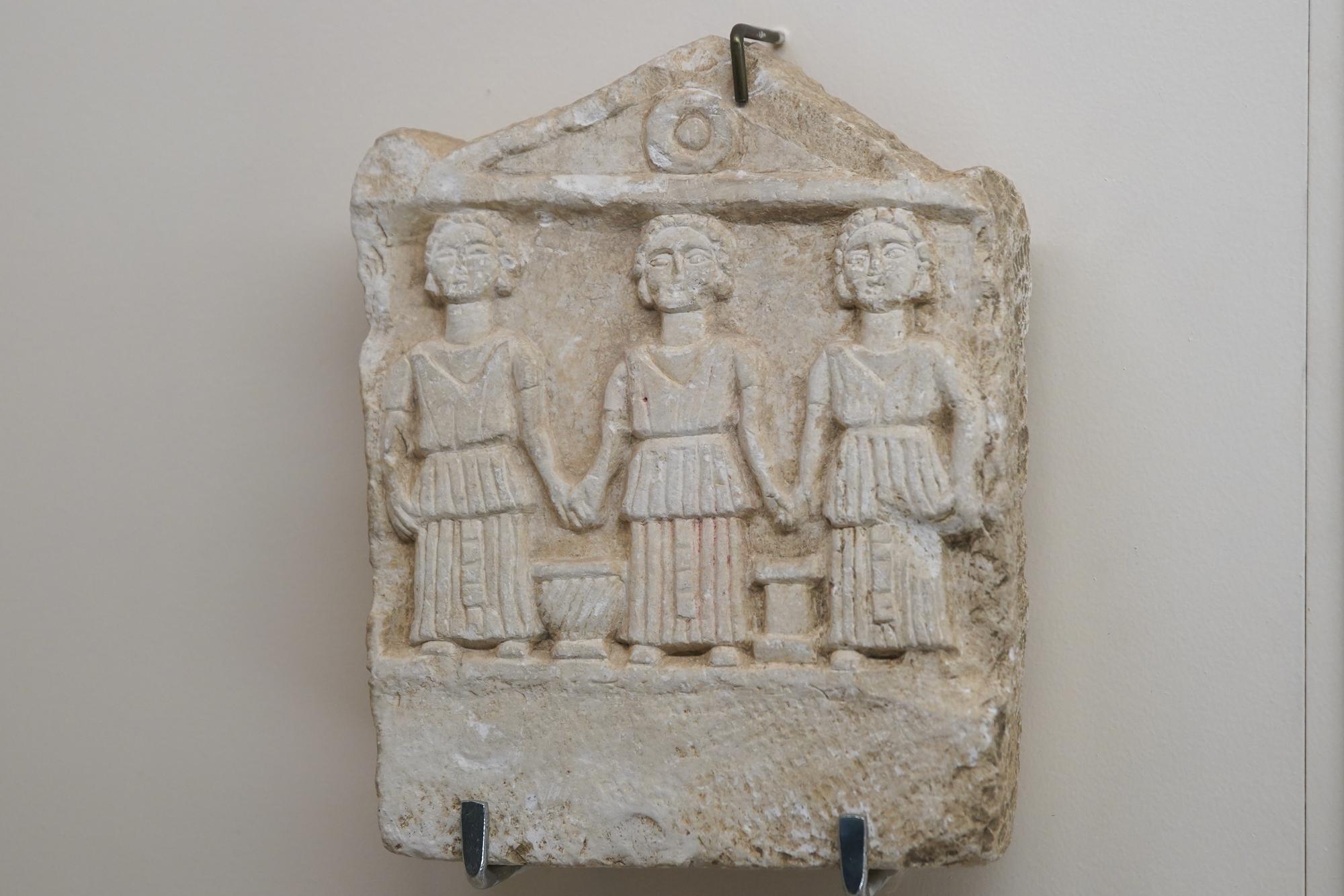
- Roman period: Votive inscriptions at the cave's entrance reveal that it served as a shrine dedicated to a mountain goddess.
- Karain Museum: A small on-site museum located right next to the cave displays a selection of the excavated artifacts.
Visitors access the cave entrance via a flight of about 470 steps leading up from the reception center. An admission fee applies, and Müze Kart is accepted.
Kırkgöz Han
Situated in the Pınarbaşı locality of Bıyıklı neighborhood, Kırkgöz Han is one of the Seljuk caravanserais along the route connecting Antalya to Isparta. Most historical sources date the building to the reign of Sultan Gıyaseddin Keyhüsrev II (1236–1246); its original dedicatory inscription has not survived. The han consists of a summer section with an open courtyard and a fully enclosed winter hall. The nearby Kırkgöz springs were decisive both in the choice of location and in supplying water to the complex.
Kırkgöz Han is among the Anatolian Seljuk caravanserais along the main trade artery connecting Antalya to Central Anatolia; scholarly works consistently list it alongside Evdir Han, Susuz Han, and İncir Han. These structures served as secure staging and resting points for merchant caravans during the Seljuk period, facilitating trade between the port of Antalya and inland Anatolia.
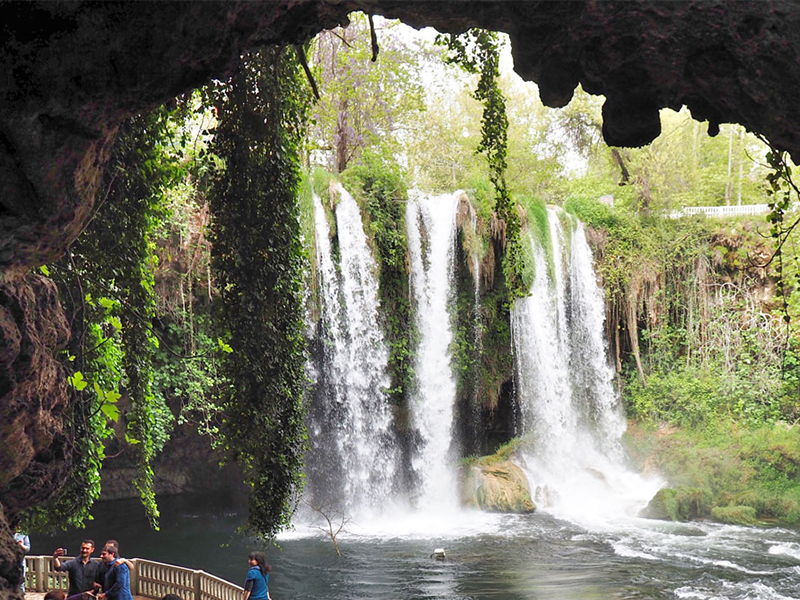
The springs in the surrounding area also form part of the water source that feeds Düden Waterfall, one of Antalya's most iconic natural landmarks. For more information on the regional cascades, take a look at our Antalya Waterfalls guide.
The road to Termessos
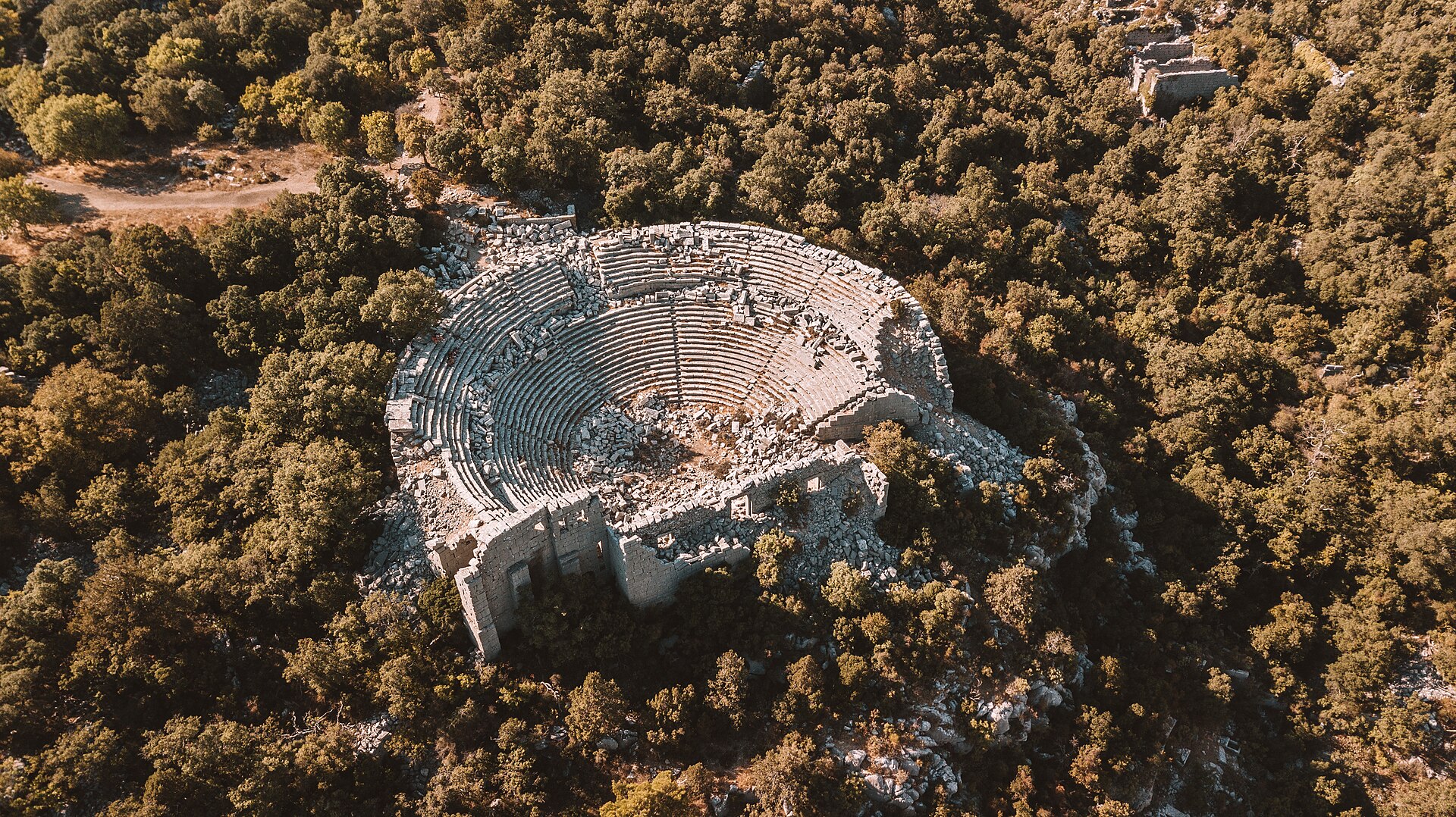
Döşemealtı is at the starting point of the road leading to Güllük Dağı (Termessos) National Park. Termessos is a mountain city founded at an altitude of approximately 1,150 meters above sea level, which Alexander the Great besieged in 333 BC but failed to conquer. The archaeological site is reached via the national park road branching off from the Antalya–Korkuteli highway. Declared a national park in 1970, the area is a habitat for endangered fallow deer. Within the park, you will also find the Güllük Dağı Interactive Natural History Museum, promoted as Türkiye's first interactive nature museum; it is a convenient stop to get acquainted with the region's flora and fauna before heading up to Termessos. A detailed presentation of Termessos and how to visit it on the same route with Perge and Aspendos is explained in our Day Trips to Ancient Cities from Antalya guide on our website.
Döşemealtı carpet
Döşemealtı Handwoven Carpet was registered as a geographical indication (indication of source) on July 8, 2021, upon the application of Döşemealtı Municipality and is among Antalya's registered products. According to the registration document, this weaving tradition dates back to the Teke Yoruks who settled in the region after the 12th century. The carpets are woven using the Turkish knot (Ghiordes knot) on regional winding looms.
Academic studies mention Kovanlık, where the Karakoyunlu Yoruks settled, as one of the prominent centers of traditional weaving. Those wishing to purchase a carpet may inquire whether the product bears the geographical indication logo.
Sample half-day and full-day itineraries
- Half day: Karain Cave and Karain Museum, followed by Kırkgöz Han
- Full day: Termessos in the morning, Karain Cave in the afternoon
- Return: Passing by Kırkgöz Han on the descent back to the city
Antalya points in our guide
Frequently asked questions
A portion of them is exhibited at the Karain Museum right next to the cave. The artifacts housed in Antalya Museum, however, cannot be viewed at present as the museum is closed.
The caravanserai is located by the roadside and can be seen from the outside. Please inquire on site about the conditions for entering the interior.
It is based on a weaving tradition passed down from the Teke Yörüks and was registered with a geographical indication in 2021.
The national park road leading to Termessos branches off from the Antalya–Korkuteli highway; it can easily be visited on the same day as Karain Cave in Döşemealtı.
Sources
- Türk Patent ve Marka Kurumu: Döşemealtı Hand-Woven Carpet geographical indication certificate
- Habertürk: Geographical indication registration for the Döşemealtı carpet
- Antalya Provincial Directorate of Culture and Tourism promotional website: Historic Kırkgöz Han
- Antalya Provincial Directorate of Culture and Tourism promotional website: Döşemealtı
- Turkish Archaeological News: Kırkgöz Han
- Kafkas University Journal of the Institute of Social Sciences: Döşemealtı carpet weaving
- Fatih Sultan Mehmet Vakıf University Open Access: Seljuk caravanserais on the Antalya–Isparta road
Information verified as of 28 October 2026. Times, fares and routes may change; check official sources before you travel.
More guides
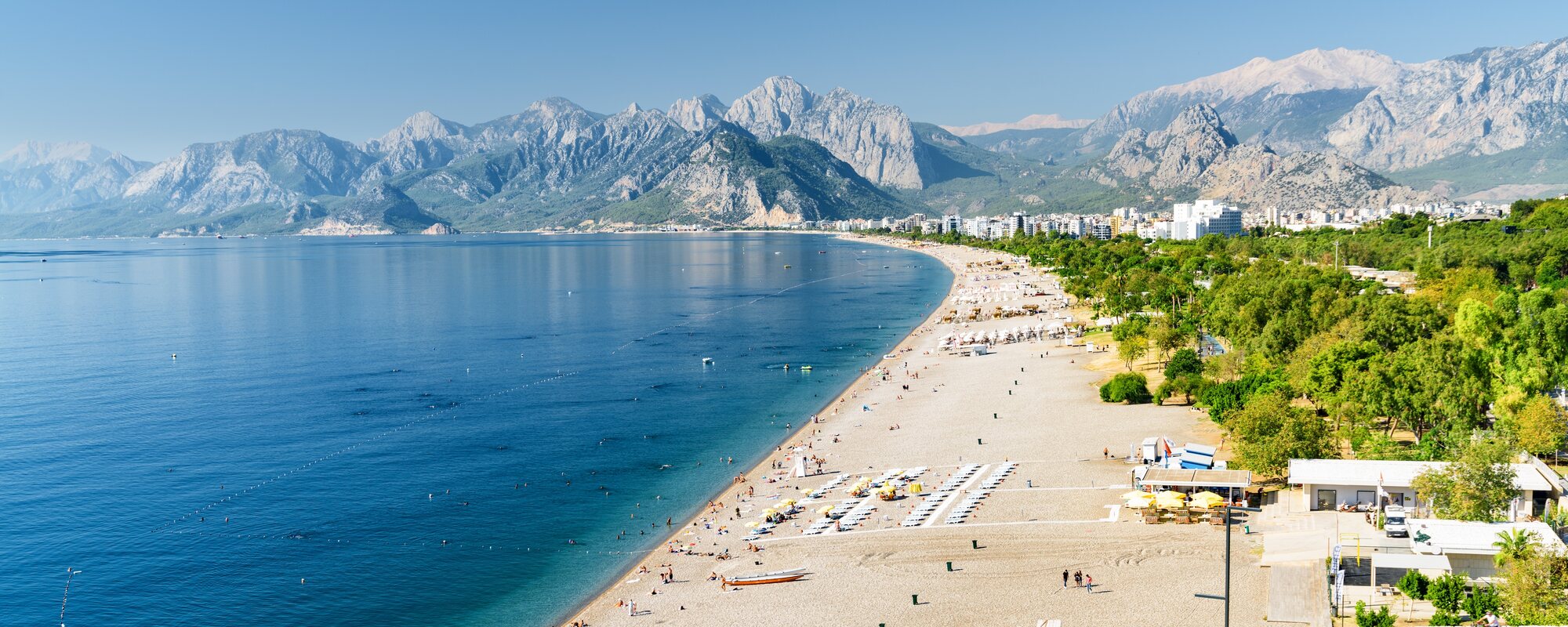 Event guide
Antalya Culture Route Festival 2026 - Festival Guide
When is Antalya Culture Route Festival 2026, and who will perform at the concerts? We have brought together the free Konyaaltı Beach Park concerts, opera and ballet programme, exhibitions, children's activities, and gastronomy routes between 31 October and 8 November.
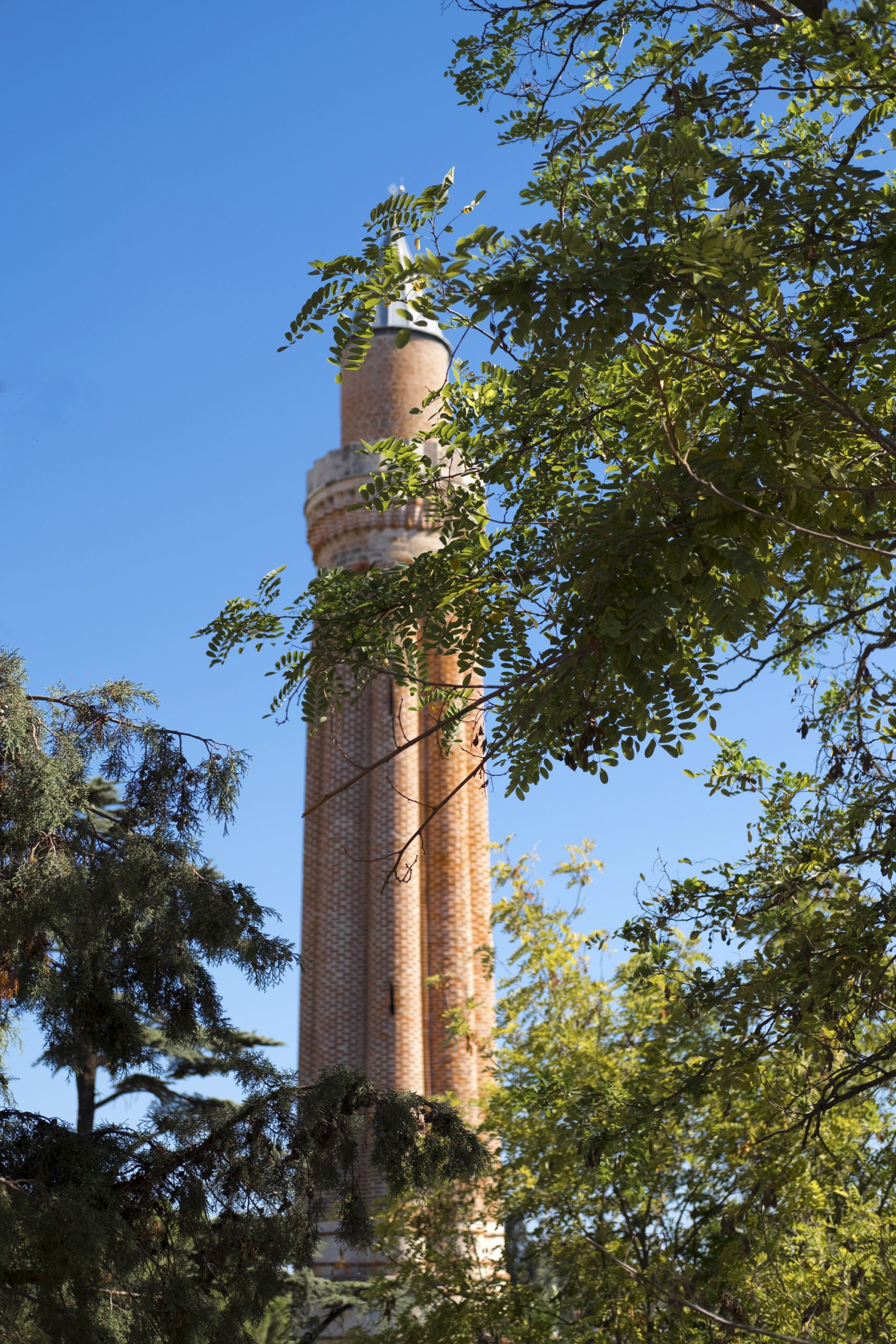 Itinerary
Antalya's Seljuk Heritage: Mosques, Caravanserais, Madrasas
A well-referenced guide to the Seljuk and Beylik-era monuments across Antalya, from Yivli Minare to Alanya Castle, Evdir Han, Kırkgöz Han, and Alarahan Caravanserai to Korkuteli.
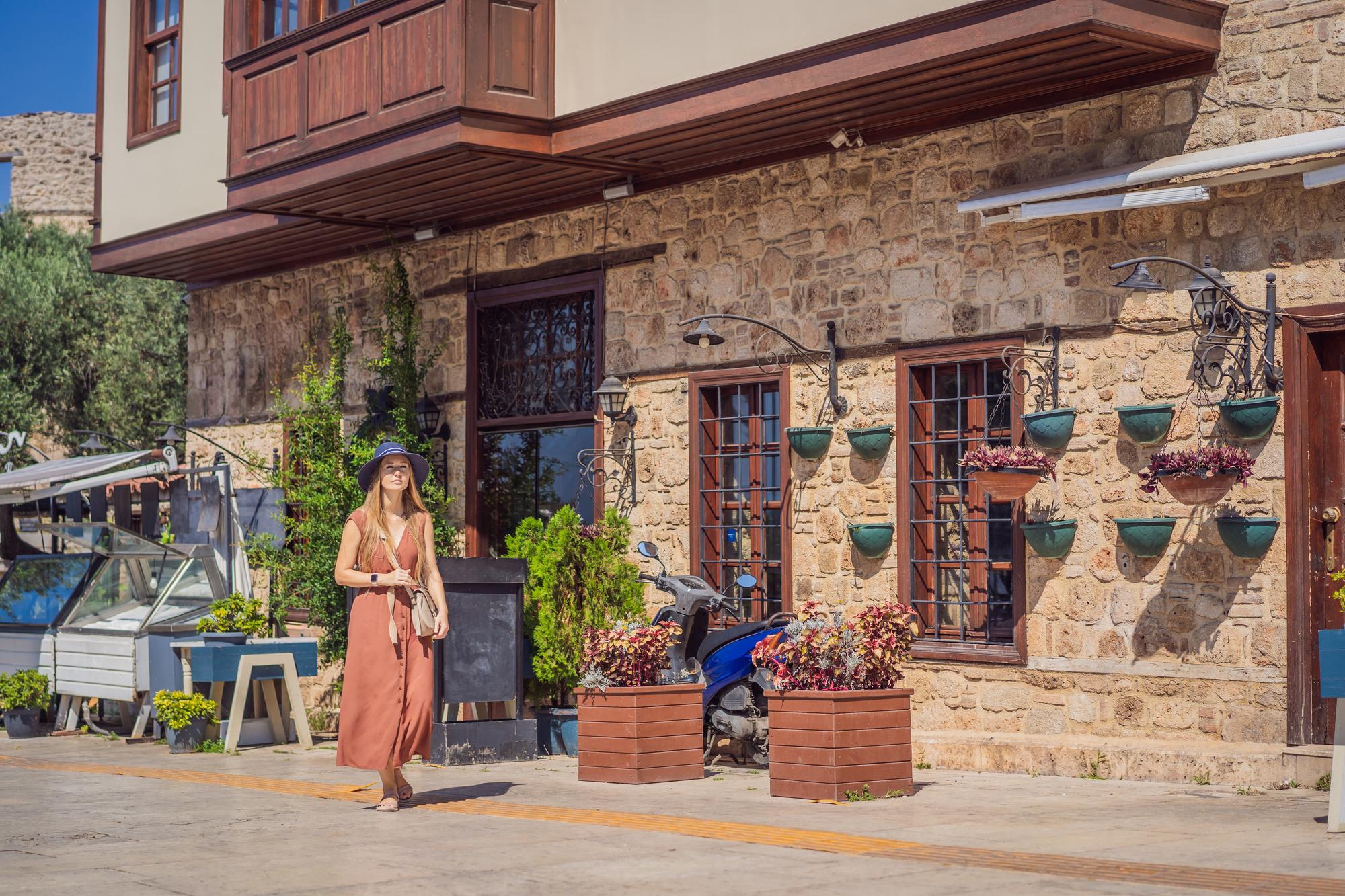 Itinerary
Antalya on a Rainy Day: Indoor Venues and Museums
A sourced guide to museums, the aquarium, museum and science venues in Dokuma Park, caves, and covered bazaars to visit in Antalya on a rainy or chilly day.