Alanya Guide: Castle, Caves, Canyons, and Coastline
From the Seljuk castle and Kızıl Kule to Damlataş Cave, Dim Çayı, Sapadere Kanyonu, and Syedra—a well-referenced itinerary and practical information for exploring Alanya over a few days.
See us first in your Antalya searches
Reach our listings and latest guides at the top when you search Google for places, restaurants and events.
Get to know Alanya
Alanya is a district east of Antalya, built around a rocky peninsula jutting out into the sea. The city's symbols are the Seljuk castle surrounding the top of the peninsula and Kızıl Kule guarding the harbour. The Ministry of Culture and Tourism presents Alanya Castle as the only surviving Seljuk castle; Sultan Alaaddin Keykubat had the castle built in 1225 on top of Roman ruins. Together with its shipyard and Kızıl Kule, the castle is on the UNESCO World Heritage Tentative List. Its coastal beaches, Dim Çayı and Sapadere Kanyonu at the foothills of the Taurus Mountains, and the ancient city of Syedra to the west make Alanya a versatile destination for those looking to combine history and nature in a single trip.
Around the castle and harbour
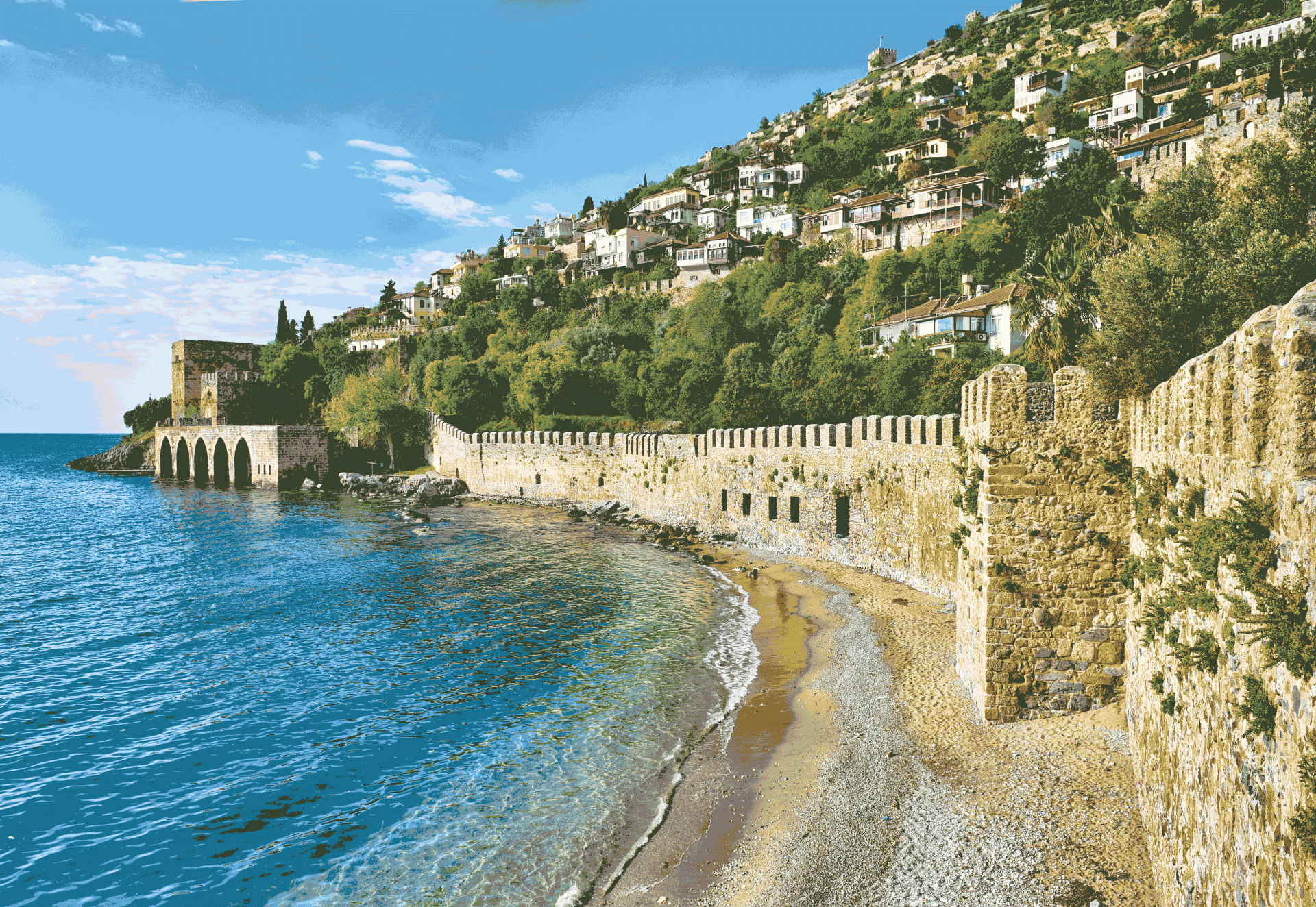
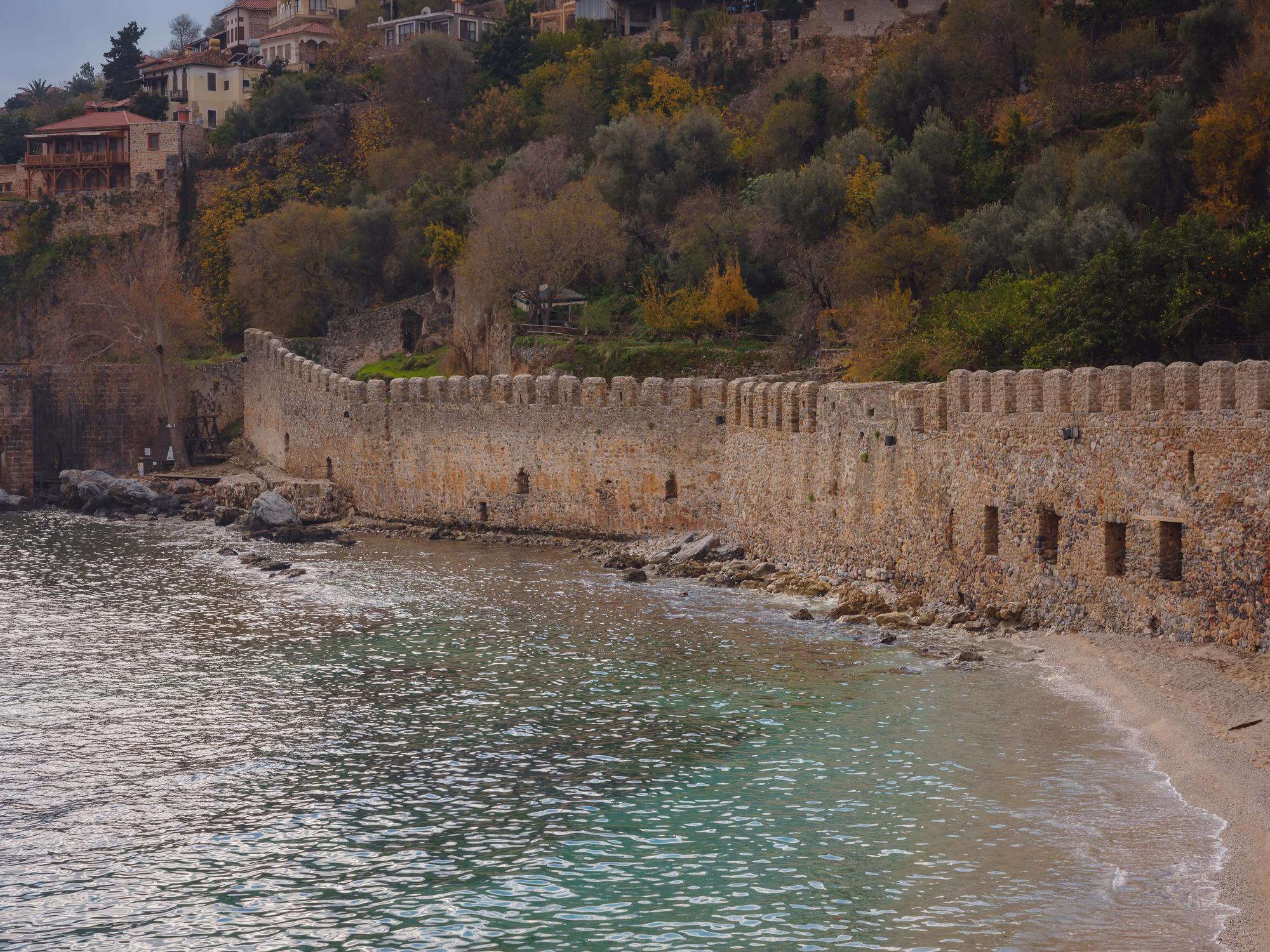
Alanya Castle, with its walls and inner fortress, spreads across the entire peninsula. According to ministry sources, the castle bears traces of the Roman, Byzantine, Seljuk, and Ottoman eras. A living residential neighbourhood still thrives within its narrow streets, offering panoramic views of the city and bays on both sides from the top.
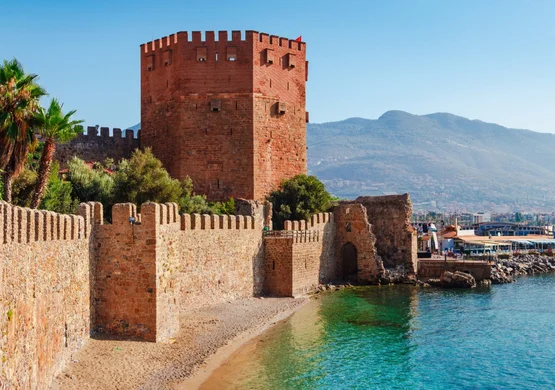
Kızıl Kule (Alanya) was built in 1226 during the reign of Alaaddin Keykubat by the architect Abu Ali of Aleppo to protect the harbour. Reaching a height of about 33 metres, the structure takes its name from the red brick used in its upper section. Today, the tower also serves as the Kızılkule Ethnography Museum.
The Seljuk Shipyard near Kızıl Kule was also built during Alaaddin Keykubat's reign, in 1227–1228. It draws attention with its five-arched facade facing the sea. Keykubat, who also built a shipyard in Sinop, earned the title "Sultan of the Two Seas", which is closely associated with these maritime landmarks.
Cable Car
Opened in 2017, the Alanya Cable Car runs from the Damlataş station near Kleopatra Beach up to the Ehmedek section of the castle. It is a convenient option for those who prefer not to walk or drive up to the castle.
Damlataş Cave and Kleopatra Beach
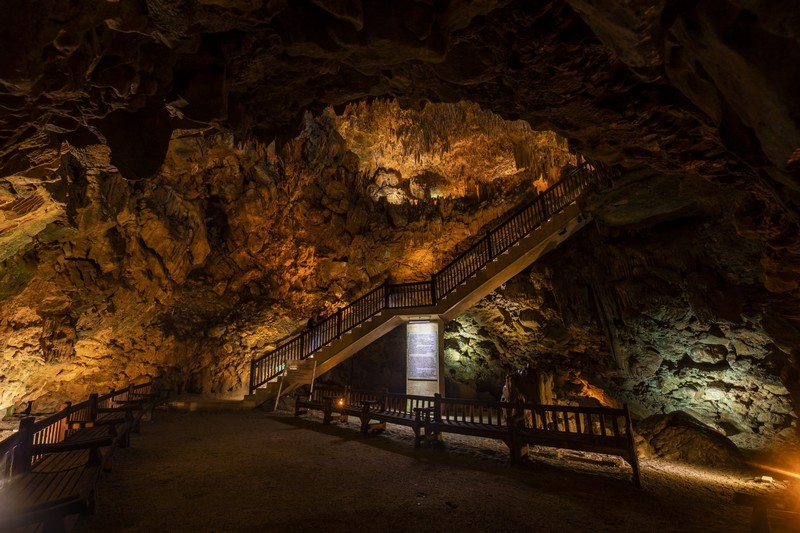
Damlataş Cave was discovered by chance in 1948 during stone quarrying for the harbour construction and is renowned as the first cave opened to tourism in Türkiye. It is widely known that the air inside the stalactite- and stalagmite-filled cave provides relief to asthma patients; thanks to this quality, the cave is also visited for health tourism.
Starting right next to the cave, Cleopatra Beach is a long sandy stretch extending to the west of the peninsula. It gets its name from the Egyptian Queen Cleopatra, who, according to legend, swam here.
Nature on the foothills of the Taurus Mountains
Dim River originates in the Taurus Mountains and flows for about 60 kilometres before reaching the sea. In the summer months, picnic areas along the water and restaurants set above the stream are popular spots for those looking to cool off.
Sapadere Canyon is located in Sapadere village, about 40 kilometres from central Alanya. Formed within the geological structure of the Taurus Mountains, the canyon is surrounded by high mountains on three sides. An ecotourism walking route of about three hours also circles the canyon.
Syedra Ancient City
Located to the west of Alanya within the borders of Seki village, Syedra is a strategic ancient city with commanding views opening to the sea on its east and west. The ruins include a theatre, basilica, colonnaded streets, and mosaics. Historical sources provide varying dates regarding the founding of the city; it is best to check official sources for up-to-date visitor information prior to your visit.
Sample two-day itinerary
- Day 1 morning: Cable car ride up to Alanya Castle, walk along the inner fortress and city walls
- Day 1 afternoon: Walk down from the castle to the Red Tower and Seljuk Shipyard, followed by the harbour area
- Day 1 evening: Damlataş Cave and sunset at Cleopatra Beach
- Day 2 morning: Sapadere Canyon walking trail
- Day 2 noon: Refreshing break along Dim River
- Day 2 afternoon: Syedra Ancient City or Alanya Museum
Alanya spots in our guide
Frequently Asked Questions
You can reach the castle on foot, by car, or via the cable car departing from Damlataş. The cable car runs from the station near Kleopatra Beach up to the Ehmedek section of the castle.
The Kızıl Kule was built in 1226 during the reign of Seljuk Sultan Alaaddin Keykubat to protect the harbor.
Discovered by chance in 1948, the cave is renowned as the first cave in Türkiye to open to tourism, and its air is well known to be beneficial for people with asthma.
The canyon is located in Sapadere village, approximately 40 kilometers from the center of Alanya.
Sources
- T.C. Kültür ve Turizm Bakanlığı: Where to Visit (Alanya Kalesi)
- Müze Kart: Alanya Kalesi tanıtım belgesi
- Antalya İl Kültür ve Turizm Müdürlüğü tanıtım sitesi: Kızılkule Etnografya Müzesi
- Boğaziçi Üniversitesi Dijital Arşiv: Tersane ve Kızıl Kule, 1226
- Küre Ansiklopedi: Damlataş Mağarası
- Küre Ansiklopedi: Sapadere Kanyonu
- Lonely Planet: Alanya Teleferik
- Hürriyet Daily News: The sultan of the two seas eyes UNESCO list
Information verified as of 28 October 2026. Times, fares and routes may change; check official sources before you travel.
More guides
 Event guide
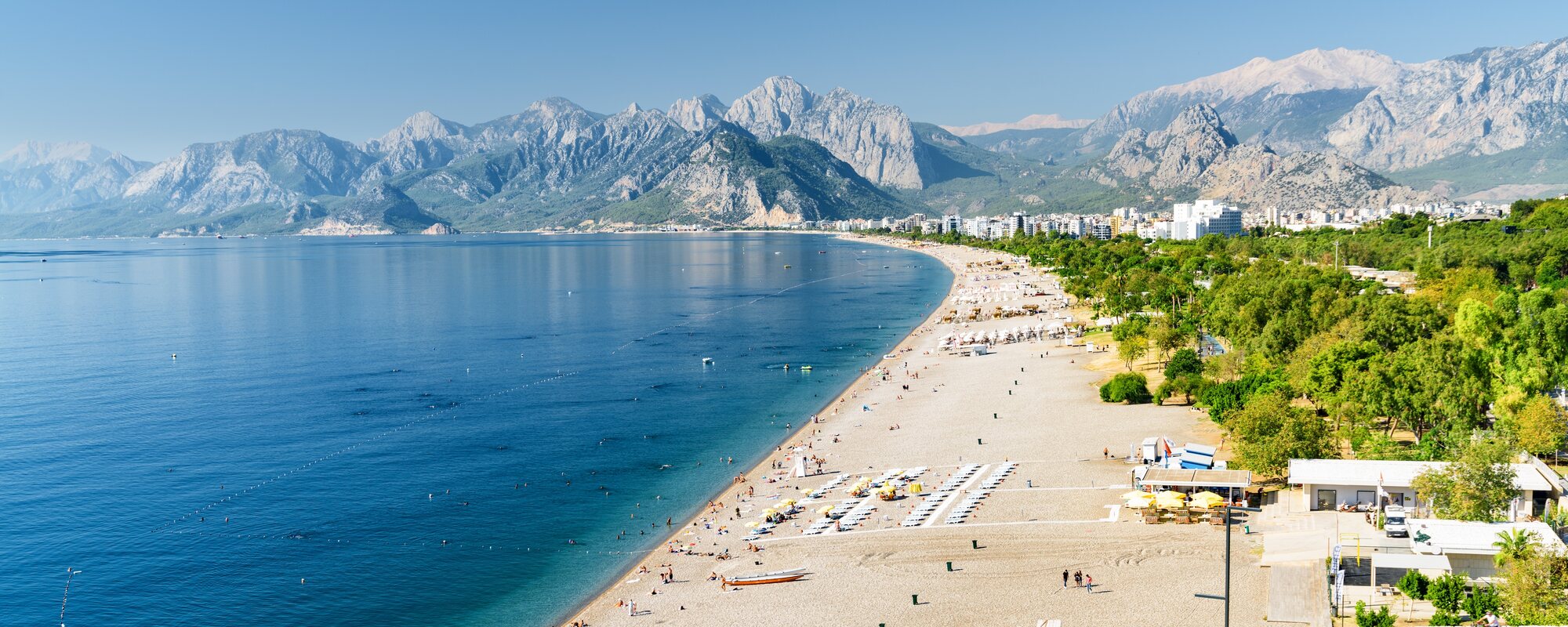
Antalya Culture Route Festival 2026 - Festival Guide
When is Antalya Culture Route Festival 2026, and who will perform at the concerts? We have brought together the free Konyaaltı Beach Park concerts, opera and ballet programme, exhibitions, children's activities, and gastronomy routes between 31 October and 8 November.
 Itinerary
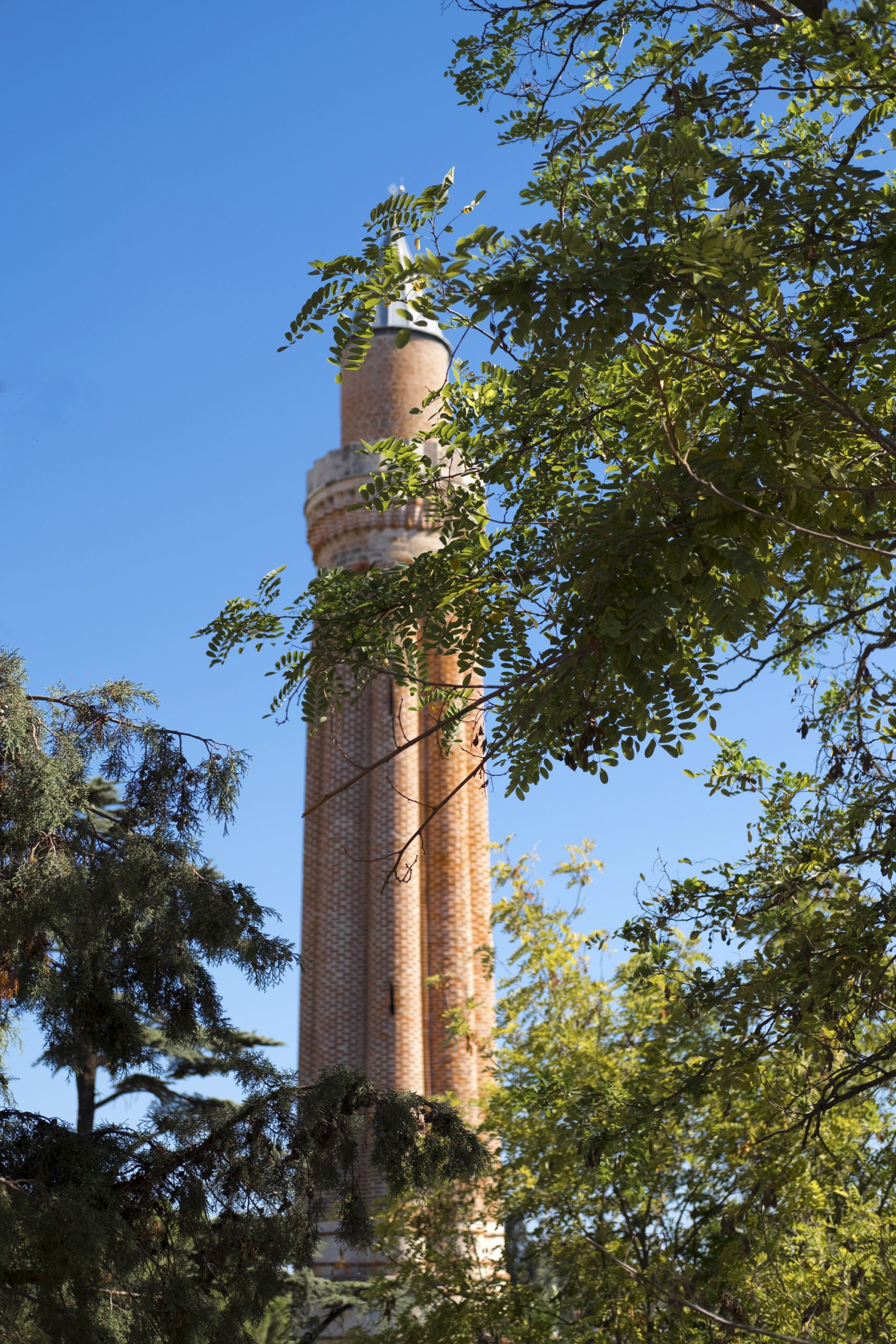
Antalya's Seljuk Heritage: Mosques, Caravanserais, Madrasas
A well-referenced guide to the Seljuk and Beylik-era monuments across Antalya, from Yivli Minare to Alanya Castle, Evdir Han, Kırkgöz Han, and Alarahan Caravanserai to Korkuteli.
 Itinerary
Antalya on a Rainy Day: Indoor Venues and Museums
A sourced guide to museums, the aquarium, museum and science venues in Dokuma Park, caves, and covered bazaars to visit in Antalya on a rainy or chilly day.