See us first in your Antalya searches
Reach our listings and latest guides at the top when you search Google for places, restaurants and events.
About
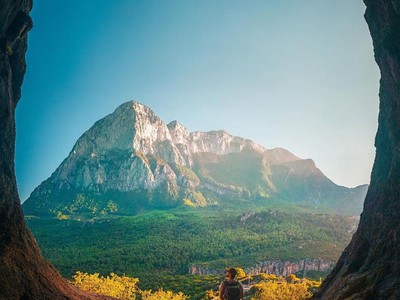
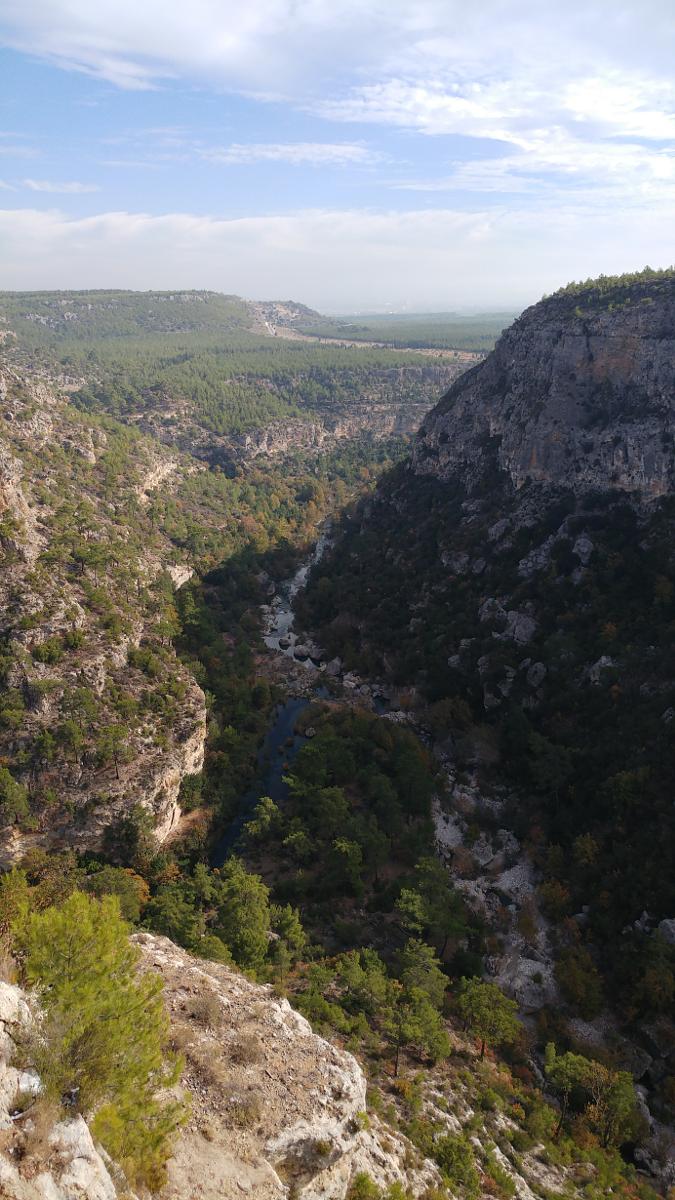
If you want to add a historic break to your journey from Antalya towards Burdur, Ariassos is a wonderful option. Located around Akkoç–Dağbeli in Döşemealtı, near the Çubuk Beli pass, this ancient Pisidian city was established along the routes connecting the coastal Antalya plain with the inland regions of Anatolia. Looking at its mountainous surroundings, it is easy to understand why this was once such an important transit point.
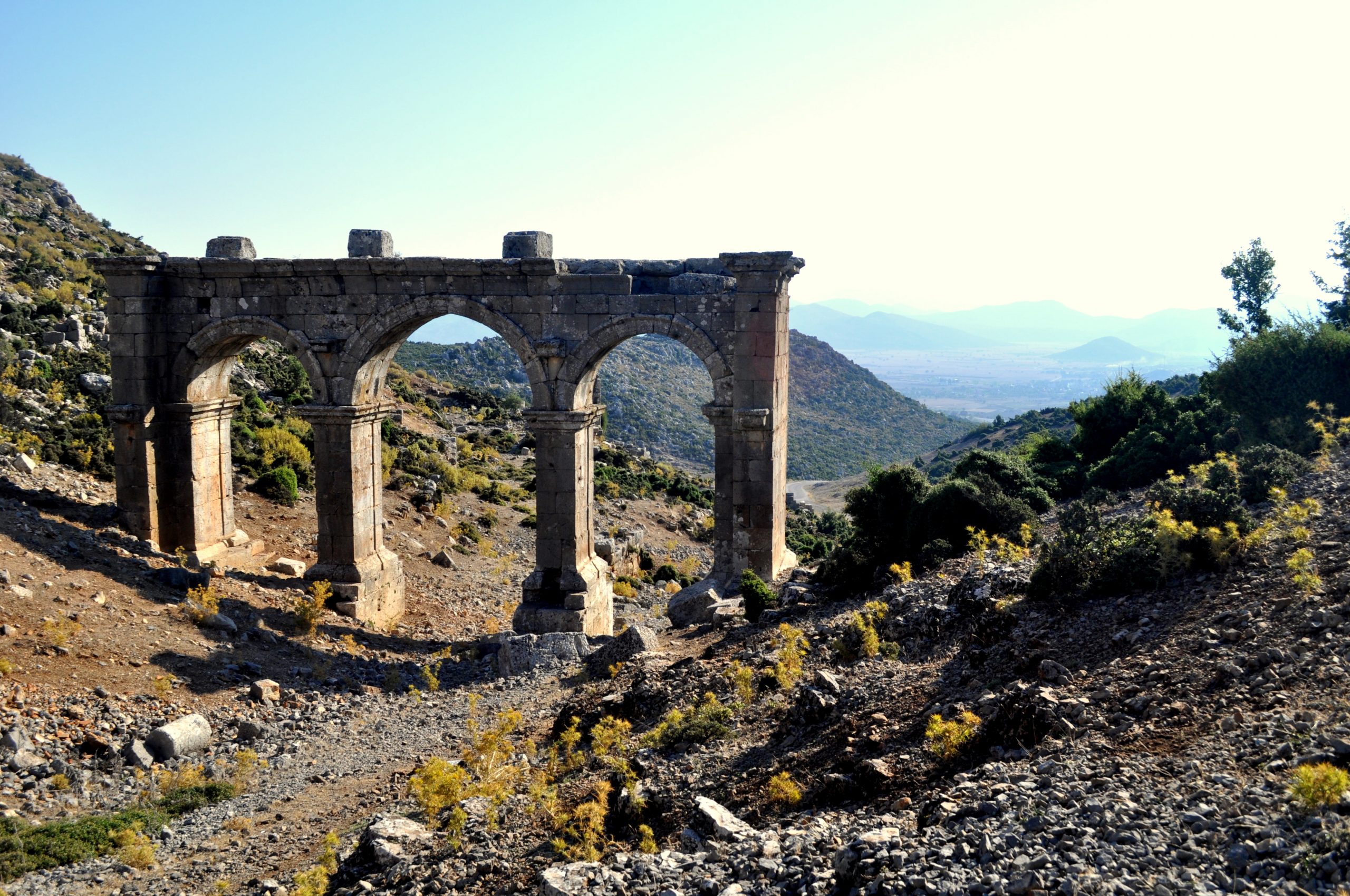
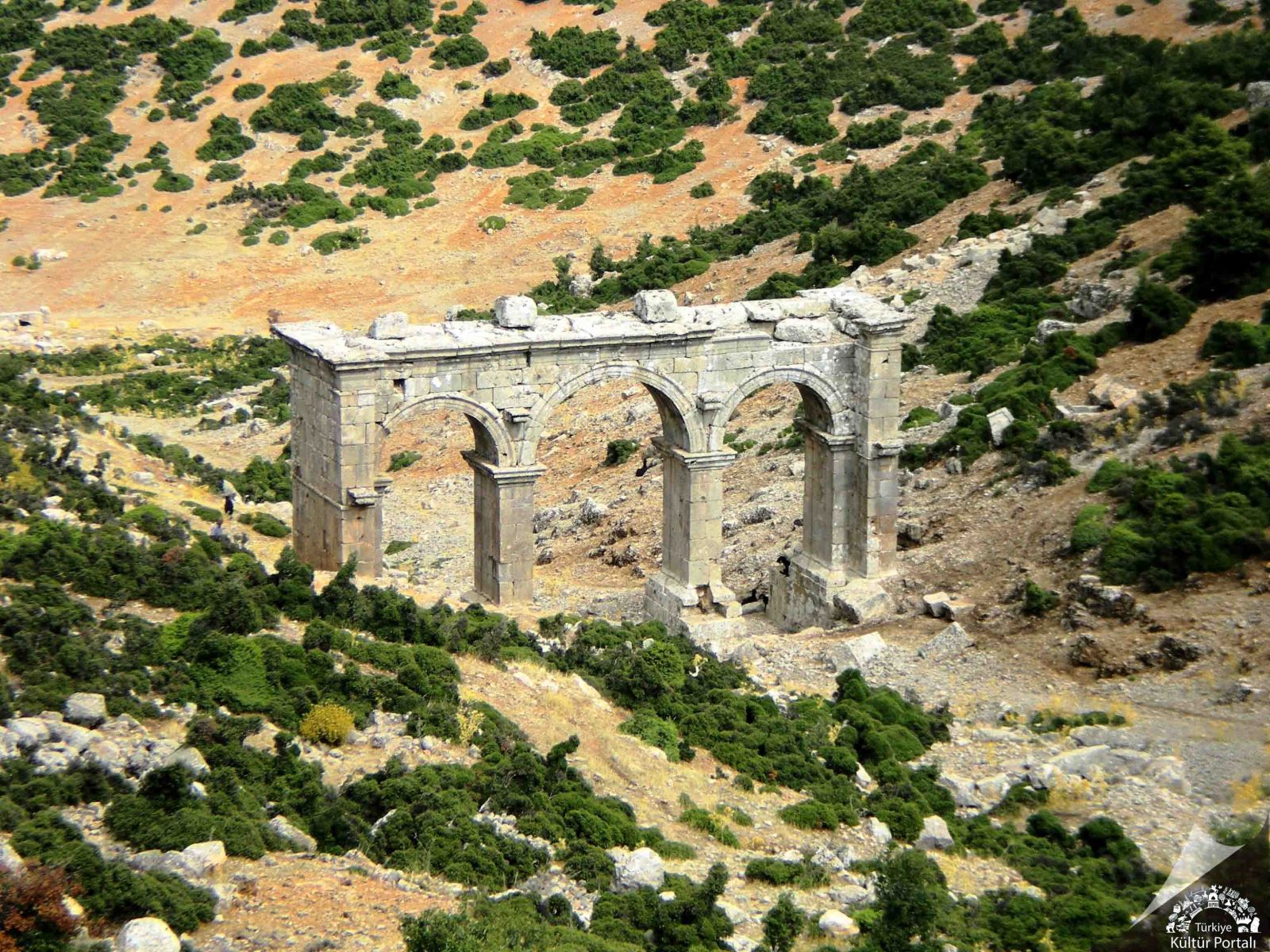
The first structure that catches your eye is the remarkably well-preserved three-arched city gate. Known to have been in use during the reign of Roman Emperor Severus Alexander, the gate stands as the most prominent symbol of Ariassos. It is well worth taking your time here to admire the stonework from different angles. From the pedestals and inscriptions, it is understood that four large statues once crowned the gate, making it easy to imagine how magnificent the structure originally looked.
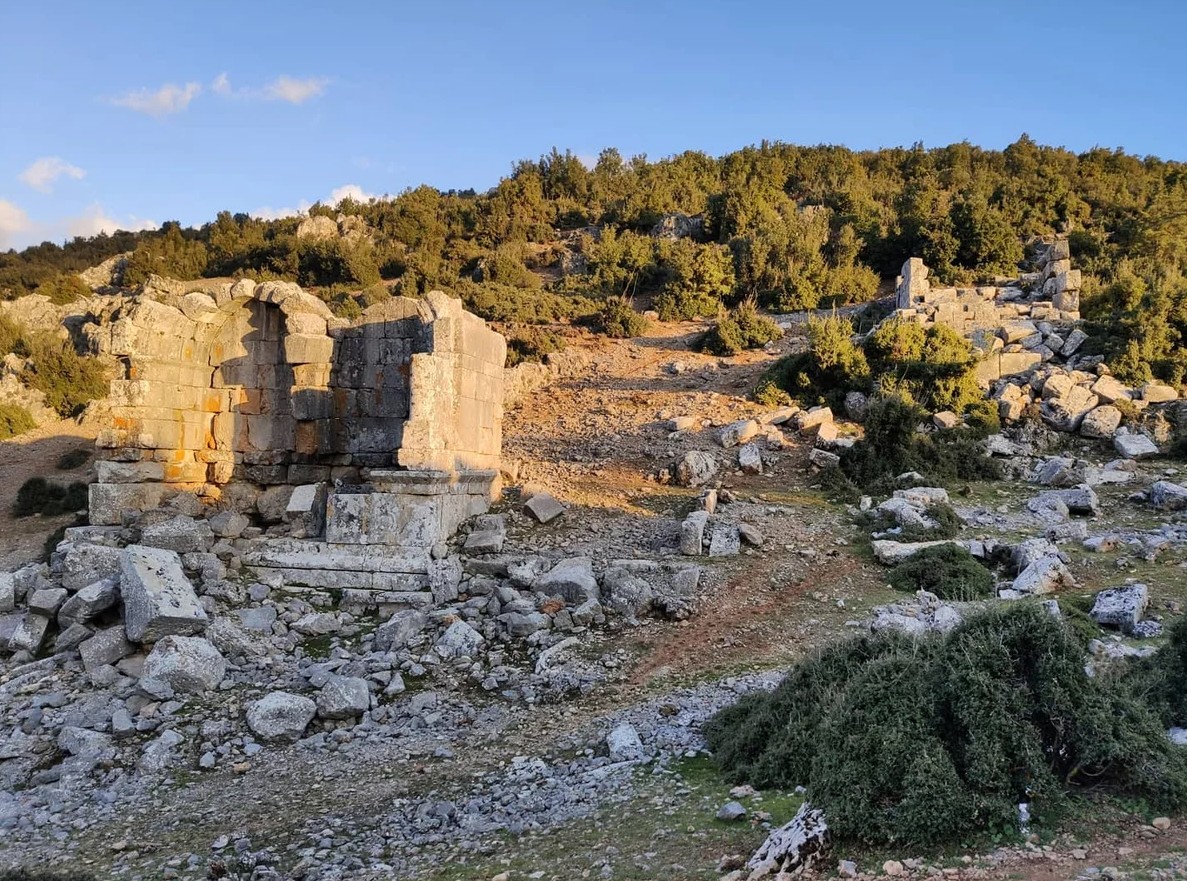
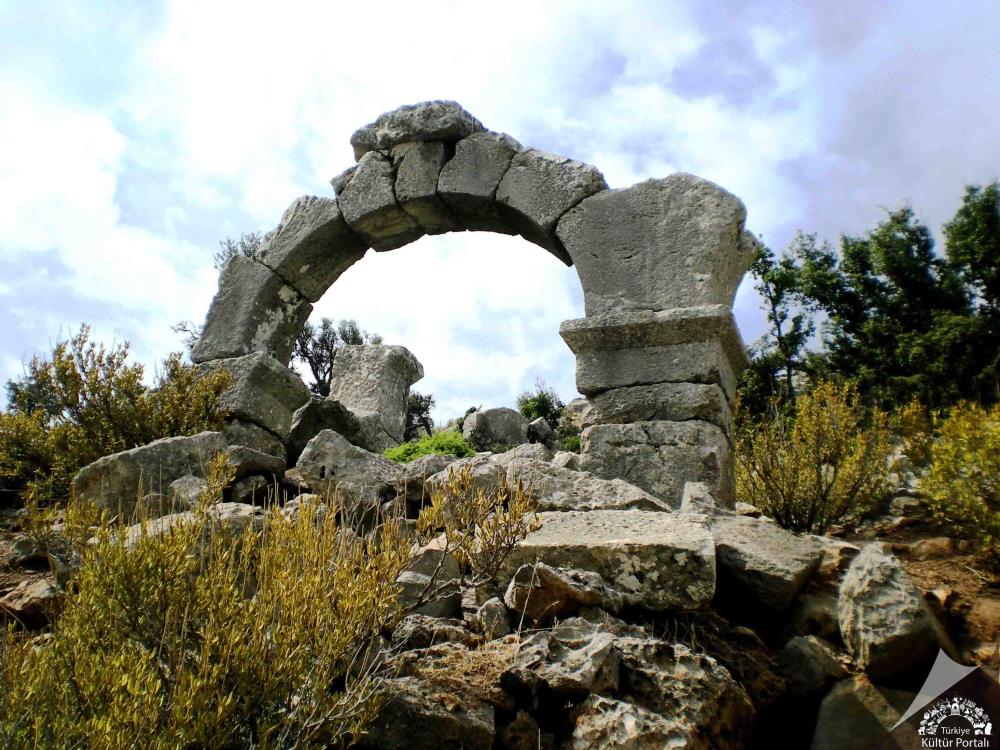
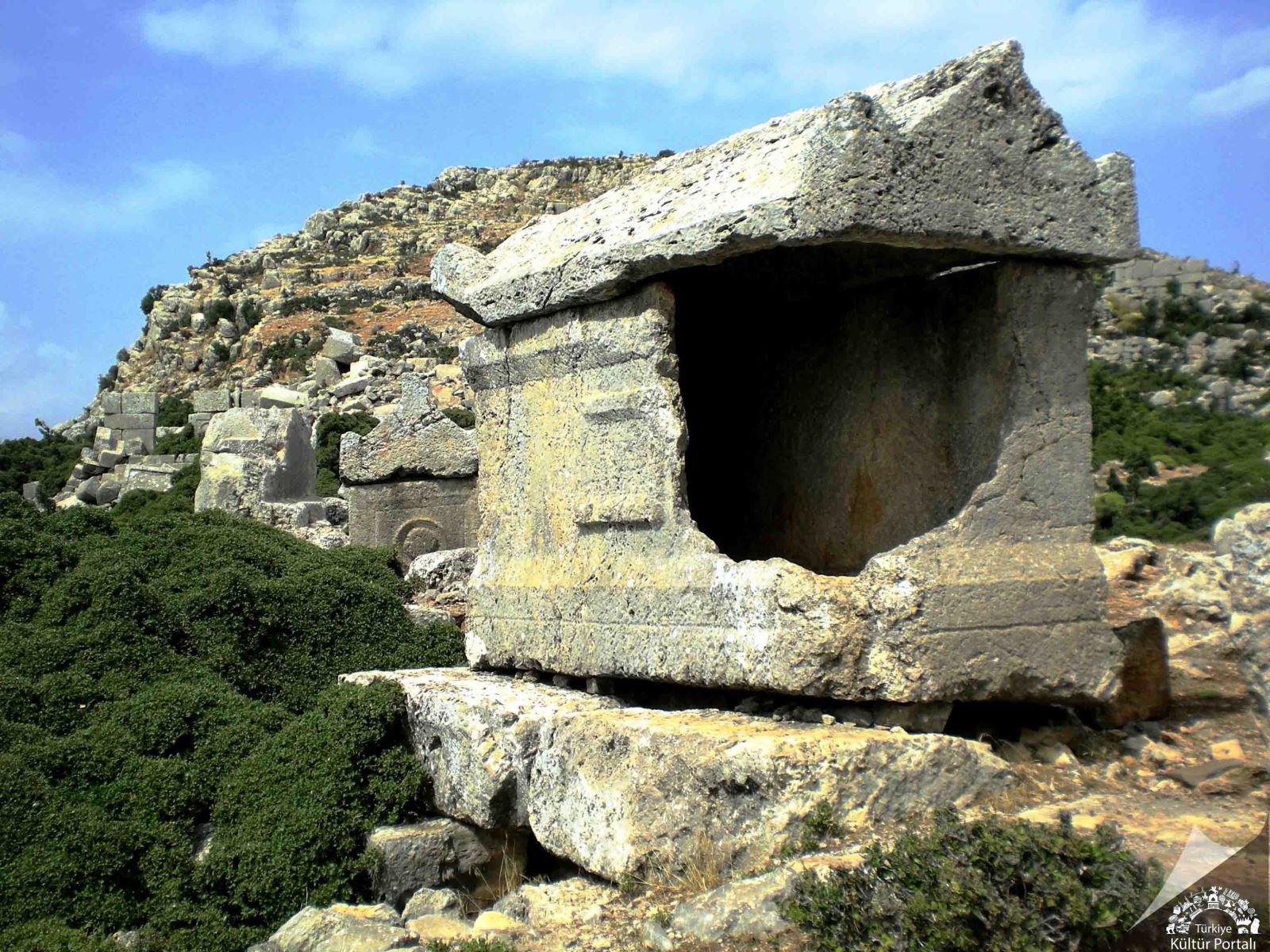
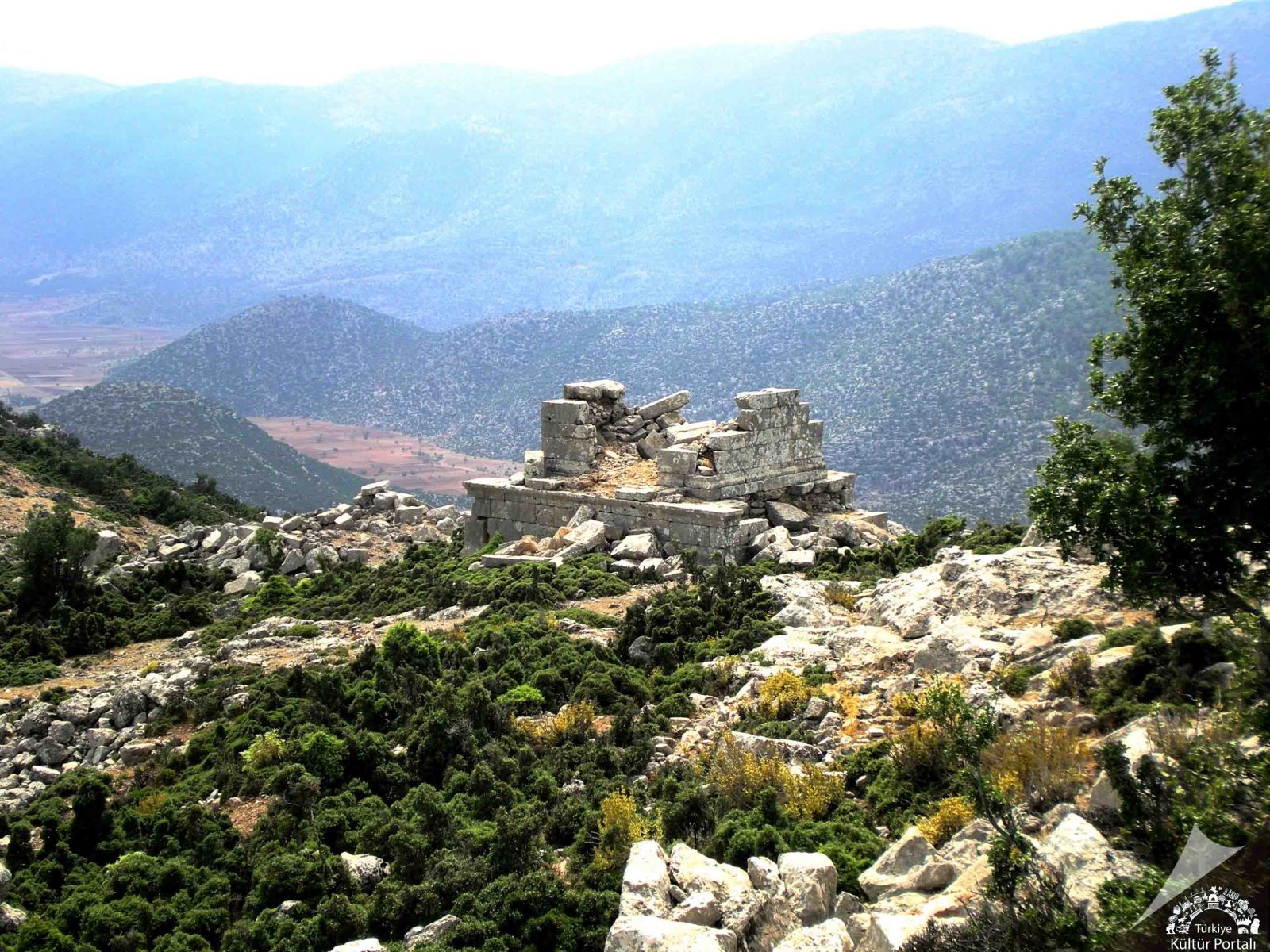
Beyond the gate, necropolis areas with monumental tombs spread out across both sides of the city take center stage. The settlement also contains the ruins of a bathhouse, a council chamber (bouleuterion), a monumental fountain (nymphaeum), a church, and other public buildings. The preservation state of the structures varies; you can think of your visit as a scenic hike to trace the layout of an ancient hillside city through its scattered remains. Traces of the Roman road leading from Termessos also highlight Ariassos's role within the regional transport network.
You can plan around an hour to explore the gate and its immediate surroundings, or close to two hours for a wider stroll among the ruins. If you wish to extend your trip in the area, you can also add Karain Cave towards Antalya as a drive-by stop. The nearby Bademağacı Höyüğü sheds light on the region's much earlier history; check its visiting accessibility before adding it to your itinerary. For walking around Ariassos, it is best to wear closed shoes, bring plenty of water, and complete your visit during daylight hours.
History & Visit
- TypeAncient city
- PeriodHellenistic, Roman, and Byzantine periods (3rd century BC–7th century AD)
- Visit duration2 hours
- AdmissionFree
- MüzeKart (Museum Pass)Not applicable
Highlights
- Three-arched monumental city gate
- Mausoleum-style monumental tombs
- Eastern and western necropolis areas
- Remains of an ancient Roman road
- Ruins of baths, council chamber, and monumental fountain
- Hillside settlement layout
Good to know
A relatively little-known ancient city perched at an altitude of about 900–1,100 m in the Taurus Mountains. The ruins are spread across hillsides and uneven terrain. If you only plan to see the city gate, a brief stop may suffice; for a more extensive tour, bring suitable walking shoes and water. Most other buildings remain largely in ruins.
Getting there
Accessible from the Akkoç turnoff around Çubuk Beli along the Antalya–Burdur road. After turning off the main road, a roughly one-kilometer connecting road leads to the ruins. Planning your trip by private car or taxi is the most practical choice.
Information verified on 30 October 2026.
Fotoğraflar
Accessibility
Accessibility features offered by this venue. Missing information does not mean "not available".